
Ear Wax Removal Safety – What Every Patient Needs
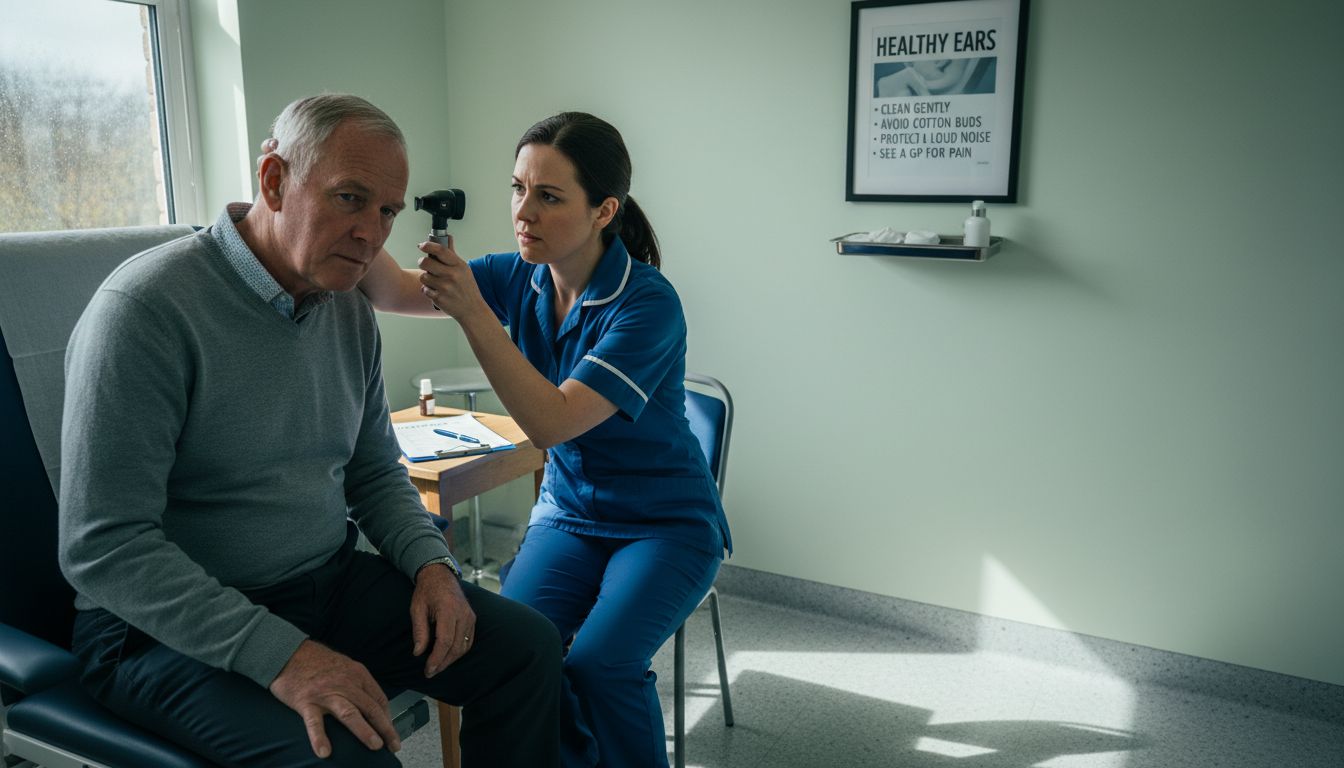
Every year, thousands of British adults experience discomfort from ear wax buildup or unsafe cleaning attempts. Ignoring proper care can lead to infection, injury, and even permanent hearing loss. In fact, one in ten British people struggle with ear wax issues severe enough to seek medical help. Learning how your ears naturally protect themselves, why professional removal is the safest choice, and which techniques specialists use can make all the difference for your hearing and overall health.
Key Takeaways
Point | Details |
Professional Removal is Essential | Ear wax should always be removed by regulated healthcare professionals to avoid serious complications like infection or hearing loss. |
Preferred Technique: Microsuction | Microsuction is the recommended method for safe and effective ear wax removal, offering minimal risk and high precision. |
Risks of DIY Methods | Self-ear cleaning practices can lead to significant medical issues, including eardrum damage and infection, hence should be avoided. |
Understanding Treatment Options | Patients should compare private and NHS services for ear wax removal, considering factors like waiting times, treatment personalization, and costs. |
Ear Wax and Safe Removal Explained
Ear wax, or cerumen, is a natural protective substance produced by our ears to safeguard against dust, debris, and potential infections. Self-ear cleaning practices can lead to serious complications, including potential eardrum damage and recurring infections. Understanding the fundamental role of ear wax and the safe methods for its removal is crucial for maintaining optimal ear health.
Professional ear wax removal techniques have evolved significantly, with microsuction emerging as the preferred method recommended by current medical guidelines. Unlike home remedies or invasive approaches, trained clinicians can safely remove ear wax using specialised instruments that minimise risks. Research indicates that ear drops might assist in wax removal, though conclusive evidence about their absolute effectiveness remains limited.
Safe ear wax removal involves several key considerations:
Only seek treatment from regulated, trained healthcare professionals
Avoid using cotton buds or home irrigation methods
Apply olive oil drops before professional removal to soften wax
Understand that ear wax serves a protective biological function
Recognise symptoms indicating potential wax build-up, such as hearing difficulties or ear discomfort
Patients should always prioritise professional assessment and treatment, ensuring their ear health remains protected through expert, carefully administered procedures.
Professional Techniques: Microsuction, Irrigation, Instrumentation
Professional ear wax removal encompasses three primary techniques: microsuction, irrigation, and manual instrumentation. A systematic review of ear wax removal methods revealed limited high-quality evidence, underscoring the importance of selecting a highly skilled practitioner who can choose the most appropriate technique for individual patient needs.
Microsuction represents the gold standard in ear wax removal, involving a precise, gentle suction method using specialised endoscopic equipment. Unlike traditional methods, this technique allows clinicians to view the ear canal directly, ensuring minimal risk and maximum precision. Comparative studies exploring endoscopic and microscopic removal techniques continue to investigate the nuanced differences between these advanced approaches.
The three primary ear wax removal techniques offer distinct advantages:
Microsuction: Direct visualisation, lowest risk of complications
Irrigation: Suitable for softer wax, uses controlled water pressure
Manual Instrumentation: Precise removal using specialised tools, best for specific wax consistencies
Patients should always consult professional ear wax removal experts who can assess individual ear conditions and recommend the most appropriate technique, ensuring safe and effective wax removal with minimal discomfort.
Risks of DIY Methods and Home Remedies
Self-ear cleaning is a dangerous practice that many individuals unknowingly pursue. Widespread use of cotton buds and home removal techniques can lead to serious medical complications, including potential eardrum perforation, infection, and permanent hearing damage. The human ear is an incredibly delicate structure that requires professional, careful management.
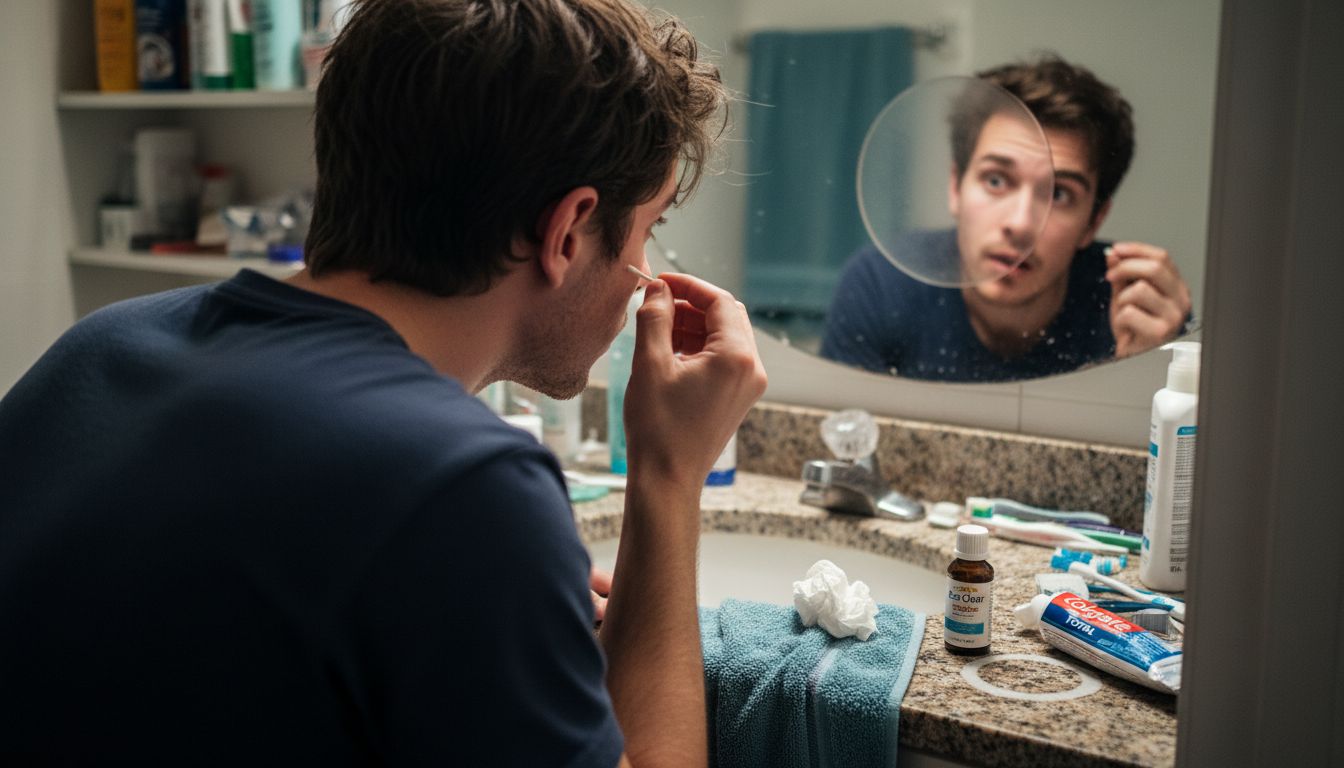
Home remedies and do-it-yourself ear wax removal methods pose significant risks. Many people mistakenly believe that inserting objects like cotton buds, hairpins, or improvised tools can safely remove ear wax. In reality, these methods can cause traumatic injuries, push wax deeper into the ear canal, and create blockages that lead to more complex medical issues. Cochrane research on ear drop effectiveness highlights the uncertainty surrounding self-administered treatments, emphasising the need for professional intervention.
Common DIY ear wax removal risks include:
Accidental eardrum puncture
Permanent hearing loss
Introduction of bacterial infections
Pushing wax deeper into the ear canal
Causing inflammation and pain
Creating additional impaction
Patients should always prioritise professional ear care, consulting trained healthcare specialists who can safely and effectively manage ear wax removal with minimal risk to their hearing and overall ear health.
Importance of Regulated Clinics and Practitioner Training
Professional ear care requires rigorous training, specialised expertise, and adherence to strict regulatory standards. Regulated clinics represent the gold standard in ear health management, ensuring patients receive safe, precise, and scientifically validated treatments. These clinics are bound by comprehensive guidelines that protect patient safety and maintain the highest levels of clinical practice.
Practitioner training goes far beyond basic medical knowledge. Specialists undergo extensive education in aural care techniques, learning intricate procedural skills that cannot be replicated through amateur or self-administered methods. Microsuction and irrigation training programmes provide clinicians with advanced skills in visualisation, precision instrumentation, and patient-specific treatment strategies.
Key aspects of regulated ear care clinics include:
Mandatory professional certification
Regular skills assessment and recertification
Adherence to Healthcare Improvement Scotland (HIS) standards
Comprehensive patient risk assessment protocols
Advanced diagnostic equipment
Continuous professional development requirements
Patients choosing regulated ear wax removal professionals can be confident they are receiving treatment from highly trained specialists who prioritise safety, precision, and individual patient needs. These clinics represent the intersection of medical expertise, technological advancement, and compassionate healthcare delivery.
Special Considerations for Children and Complex Cases
Paediatric ear wax removal and complex medical cases demand an exceptionally nuanced approach that goes beyond standard clinical procedures. Safety studies investigating ear treatment methods highlight the critical importance of specialised assessment, particularly when dealing with potential complications like eardrum vulnerabilities or pre-existing ear conditions.
Complex ear cases require advanced diagnostic techniques and individualised treatment strategies. Children, individuals with previous ear surgeries, or patients with specific medical histories need comprehensive evaluations that consider their unique physiological characteristics. Emerging vision transformer technologies in otoscopy are revolutionising diagnostic accuracy, enabling clinicians to develop more precise treatment approaches for challenging ear health scenarios.
Special considerations for children and complex cases include:
Gentle, child-friendly examination techniques
Use of age-appropriate medical equipment
Extended consultation times
Parent or guardian involvement in decision-making
Detailed medical history review
Minimal invasive intervention
Consideration of sensory sensitivities
Patients with complex ear conditions should always seek treatment from specialists trained in managing delicate and challenging ear health scenarios, ensuring both safety and effective therapeutic outcomes.
Comparing Private and NHS Ear Wax Removal
Patients seeking ear wax removal face a critical choice between NHS services and private clinics, each offering distinct advantages and limitations. Understanding the nuanced differences in NHS ear wax removal services can help individuals make informed decisions about their ear healthcare strategy.
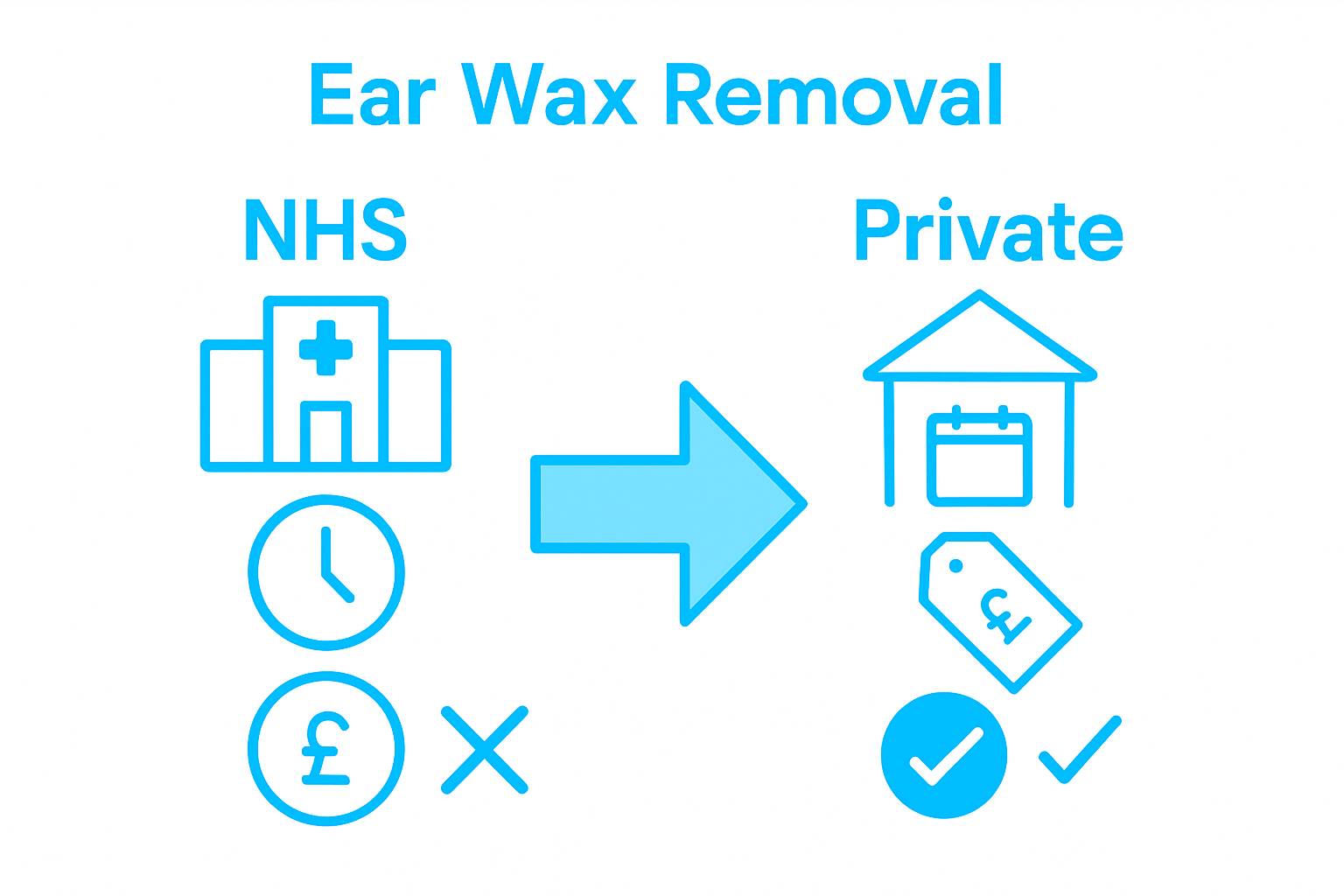
Private ear wax removal clinics typically provide more immediate, personalised care compared to NHS services. While NHS treatments are free at the point of service, they often involve lengthy waiting times and limited appointment flexibility. Private clinics offer several key advantages, including same-day appointments, extended consultation times, and access to advanced microsuction techniques that may not be universally available through standard NHS provisions.
Key differences between private and NHS ear wax removal include:
Waiting times (NHS: weeks to months, Private: immediate)
Appointment duration (NHS: typically shorter, Private: more comprehensive)
Technology and equipment access
Personalisation of treatment
Continuity of care
Cost considerations
Patients can explore the financial aspects of ear wax removal services to understand the investment required for private treatment, balancing the potential benefits of faster, more targeted ear healthcare against NHS alternatives.
Experience Safe and Professional Ear Wax Removal Today
If you are concerned about ear wax build-up or the risks of unsafe home removal methods this is your chance to choose expert care that puts your safety first. At EARS Clinics we specialise in NHS-accredited ear wax removal using advanced techniques like microsuction irrigation and manual instrumentation performed by trained Aural Care Specialists. We understand the importance of professional assessment especially when symptoms affect your hearing or cause discomfort.
Protect your ear health and avoid complications from DIY methods by booking with our regulated ear wax removal professionals. We offer convenient same-day appointments home visits and personalised care for children and complex cases. Discover why many patients prefer our quick access and tailored treatments over NHS waiting times by visiting EARS Clinics now. Take the first step towards safer ear care and improved hearing health today.
Frequently Asked Questions
What are the safe methods for ear wax removal?
Safe ear wax removal should be conducted by trained healthcare professionals using techniques such as microsuction, irrigation, or manual instrumentation to minimise risks and ensure effective treatment.
Why should I avoid DIY ear wax removal methods?
DIY methods can lead to serious complications such as eardrum perforation, infection, and pushing wax deeper into the ear canal, which may worsen blockages and result in permanent damage.
What is microsuction and why is it considered the gold standard for ear wax removal?
Microsuction is a precise ear wax removal technique that uses gentle suction under direct visualisation, allowing clinicians to effectively remove wax while minimising the risk of complications and ensuring patient comfort.
Are there any specific considerations for children’s ear wax removal?
Yes, paediatric ear wax removal requires gentle techniques, the use of age-appropriate equipment, and extended consultation times to consider the unique physiological characteristics and sensitivities of children.
Recommended