
Ear Wax Removal for Pensioners: NHS Costs and Options
- Dec 8, 2025
- 7 min read
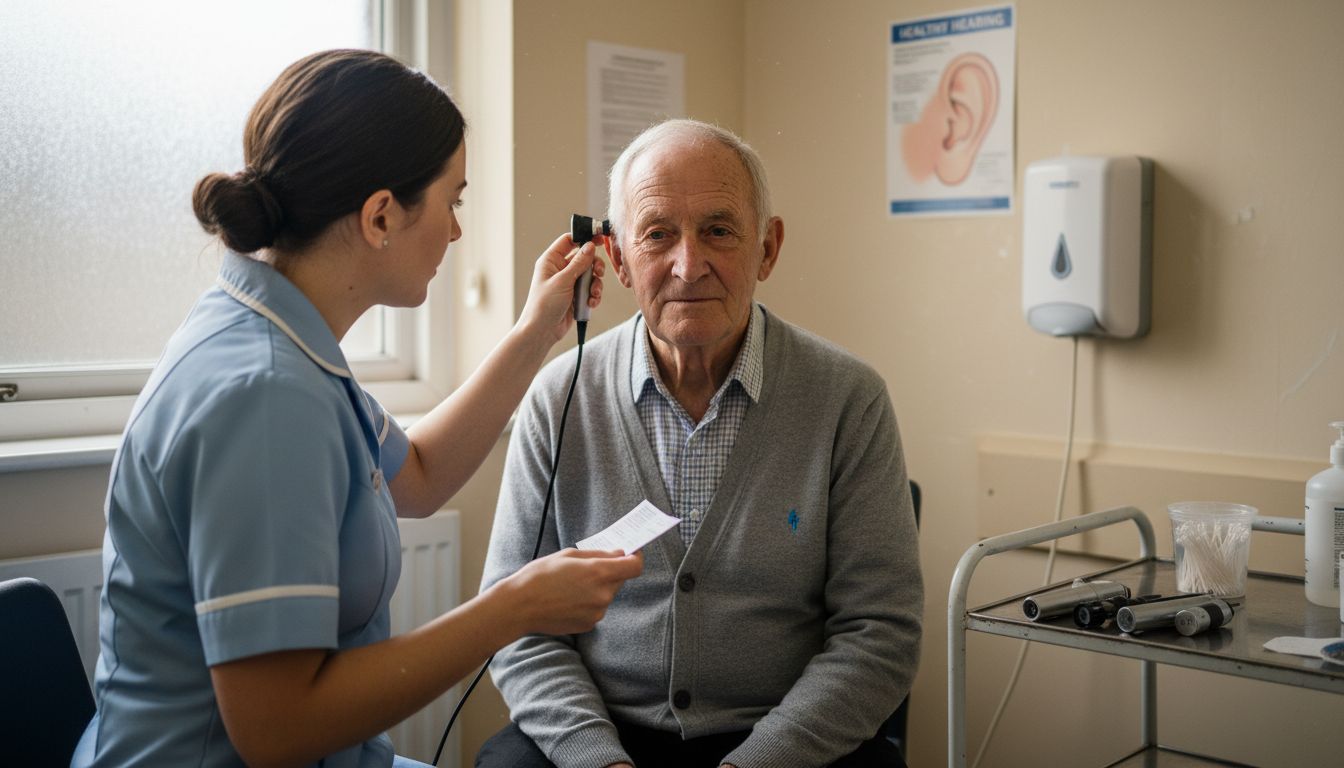
More than 2 million British people seek help each year for ear wax problems, yet ear care often slips under the radar as people age. For pensioners, maintaining ear health goes beyond routine cleaning because the risk of stubborn buildup and hearing complications grows with age. Understanding the unique needs of British older adults and the options available can make a real difference in tackling ear wax issues and protecting long-term hearing.
Key Takeaways
Point | Details |
Ear Wax Buildup in Older Adults | As people age, ear wax becomes drier and more compact, often requiring professional removal. Symptoms like decreased hearing and ear fullness should prompt consultation. |
Decline of NHS Ear Wax Services | There is a significant reduction in NHS ear wax removal services, leading patients to seek private options for quicker access and treatment. |
Microsuction Versus Irrigation | Microsuction is preferred for its precision and minimal discomfort, while irrigation poses higher risks for certain patients. Healthcare professionals should assess the most suitable method for individuals. |
Special Considerations for Hearing Aid Users | Hearing aid users should have more regular assessments, as their devices can trap wax and complicate ear health, necessitating proactive management. |
Ear Wax Buildup in Older Adults Explained
Ear wax accumulation becomes increasingly complex as people age, with pensioners experiencing unique challenges in maintaining ear health. While ear wax is a natural protective substance that helps shield the ear canal, older adults often encounter more significant build-up due to physiological changes. More than 2 million people in the United Kingdom annually struggle with troublesome ear wax that requires professional intervention.

Physiological factors contribute significantly to ear wax complications in older adults. As people age, ear wax tends to become drier and more compact, making natural migration out of the ear canal more difficult. Hearing aid users are particularly susceptible, as these devices can restrict airflow and trap moisture, accelerating wax accumulation. Additionally, reduced mobility and changes in ear canal structure can impede the body’s natural wax removal mechanisms.
For pensioners experiencing ear wax challenges, professional removal becomes essential. Ear wax is a normal, protective substance that typically moves out of the ear naturally, but individual variations mean some individuals require specialised clinical intervention. Common symptoms indicating potential ear wax build-up include:
Decreased hearing ability
Ear fullness or pressure
Occasional tinnitus or ringing sensations
Mild ear discomfort
Difficulty hearing conversations
Recognising these signs early and seeking professional guidance can prevent potential hearing complications and ensure optimal ear health for older adults. Consulting with healthcare professionals who specialise in ear care remains the most reliable approach for managing ear wax build-up effectively.
NHS Ear Wax Removal: Process and Limitations
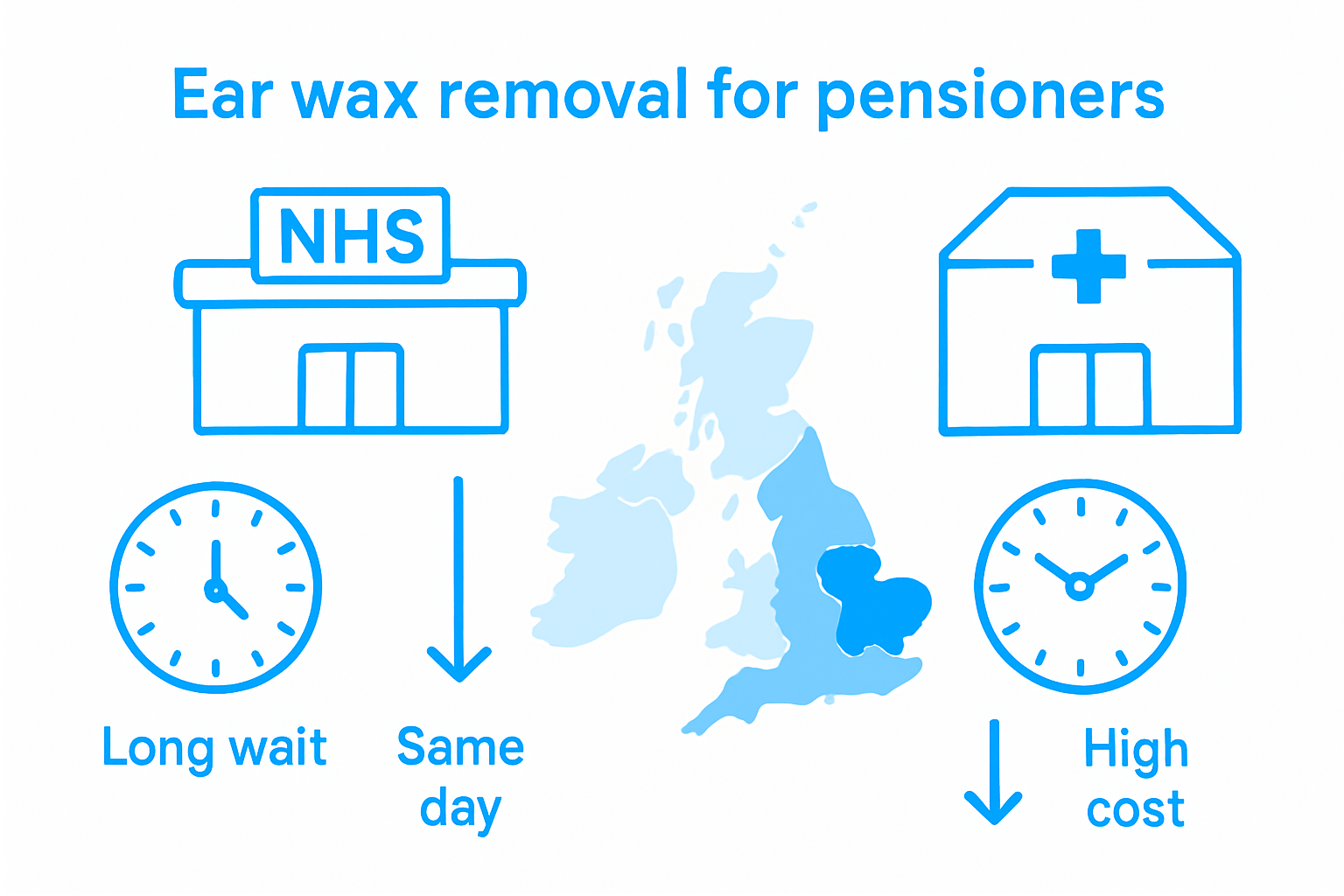
Ear wax removal services across the National Health Service have declined dramatically, with approximately 9.8 million people in England now struggling to access professional ear care through traditional NHS pathways. This significant reduction in service availability means pensioners and other patients must navigate increasingly complex options for managing ear health.
Traditionally, NHS ear wax removal involved two primary methods: ear syringing and microsuction. However, many GP surgeries have now discontinued these services, leaving patients with limited choices. Microsuction remains the preferred clinical approach, involving a gentle suction technique that carefully removes excess wax using specialised medical equipment. The NHS typically recommends this method for patients with complex ear conditions or those using hearing aids.
The current NHS ear wax removal process involves several key steps:
Initial consultation with a GP to confirm ear wax build-up
Referral to audiology or ENT specialist services
Potential waiting periods that can exceed four weeks
Professional assessment of ear canal condition
Selection of appropriate removal technique (microsuction or irrigation)
Patients should be aware that NHS ear wax removal services now operate like a ‘postcode lottery’, with significant variations in availability and waiting times across different regions. For those experiencing urgent hearing difficulties, private clinics might offer a more immediate and comprehensive solution, despite potential out-of-pocket expenses.
Treatment Methods: Microsuction Versus Irrigation
Microsuction represents one of the most advanced ear wax removal techniques currently available in clinical practice, offering pensioners a precise and minimally invasive approach to ear care. Unlike traditional irrigation methods, microsuction utilises specialised medical equipment that allows healthcare professionals to view and remove ear wax with exceptional accuracy and minimal discomfort.
The key differences between microsuction and irrigation are significant. Microsuction involves using a carefully controlled suction device under direct microscopic observation, enabling practitioners to remove wax without introducing moisture into the ear canal. In contrast, irrigation involves flushing the ear with warm water, which can be less comfortable and potentially riskier for patients with specific ear conditions such as perforated eardrums or previous ear surgeries.
Key comparative features of these ear wax removal methods include:
Microsuction:
Uses dry vacuum technique
Provides real-time visual monitoring
Minimal risk of infection
Suitable for most ear conditions
Preferred for hearing aid users
Irrigation:
Uses water-based flushing
Less precise visual control
Potential for discomfort
Not recommended for certain ear conditions
Higher risk of complications
Healthcare professionals typically recommend selecting the most appropriate ear wax removal method based on individual patient circumstances, considering factors such as ear anatomy, previous medical history, and specific hearing health requirements. Pensioners should always consult with qualified healthcare practitioners to determine the most suitable approach for their unique ear care needs.
Private Ear Wax Removal: When and Why
Almost 10 million people in England have lost access to free earwax removal services, creating a significant healthcare challenge for pensioners and individuals experiencing ear wax complications. This dramatic reduction in NHS ear care services has pushed many patients towards private ear wax removal options as a practical and timely alternative to extended waiting periods and limited clinical availability.
Private ear wax removal becomes particularly crucial when patients experience urgent symptoms that cannot wait for NHS appointment scheduling. Hearing complications resulting from excessive ear wax can significantly impact daily communication, balance, and overall quality of life. More than 2 million people in the UK annually require professional ear wax removal, highlighting the substantial demand for reliable ear care services.
Key reasons for considering private ear wax removal include:
Immediate access to appointments
Shorter waiting times compared to NHS services
Comprehensive diagnostic assessment
Use of advanced microsuction techniques
Personalised treatment plans
Reduced risk of long-term hearing complications
Professional care from specialised practitioners
Pensioners and patients should carefully evaluate their specific ear health needs, considering factors such as complexity of ear wax build-up, existing medical conditions, and the potential impact of delayed treatment. Professional private clinics offer a structured, regulated approach to ear wax removal, ensuring patient safety and delivering immediate relief from ear-related discomfort.
Hearing Aid Users: Special Considerations
Hearing aid users face unique challenges with ear wax accumulation, requiring more frequent and specialised ear care compared to individuals without hearing devices. The physical presence of hearing aids can significantly disrupt the ear’s natural wax migration process, creating an environment that accelerates wax build-up and increases the risk of potential hearing complications.
The hearing aid dome acts as a physical barrier that restricts natural ear wax movement, trapping moisture and preventing normal self-cleaning mechanisms. This mechanical obstruction means that hearing aid users are more susceptible to excessive wax accumulation, which can compromise both ear health and device performance. Professionals recommend regular ear wax removal to prevent potential hearing aid malfunction and maintain optimal hearing clarity.
Special considerations for hearing aid users include:
More frequent professional ear wax assessments
Potential need for both microsuction and irrigation techniques
Careful cleaning of hearing aid components
Using olive oil drops to soften wax before removal
Checking hearing aid functionality after wax removal
Potential adjustments to hearing aid settings
Monitoring ear canal health more frequently
Professional ear wax removal becomes crucial for hearing aid users, as accumulated wax can create feedback, reduce sound quality, and potentially damage expensive hearing devices. Regular maintenance and professional ear care can help prevent costly hearing aid repairs and ensure consistent, clear hearing performance for pensioners relying on these essential devices.
Fast and Reliable Ear Wax Removal for Pensioners in Scotland
Struggling with ear wax build-up can be frustrating, especially with limited NHS options and long waiting times. If you are a pensioner seeking safe and professional care, EARS Clinics offer NHS-accredited microsuction, irrigation, and instrumentation performed by trained Aural Care Specialists in Glasgow and Edinburgh. Our services provide a clear solution to common challenges like hearing difficulties, ear fullness, and discomfort that often worsen with age or hearing aid use.
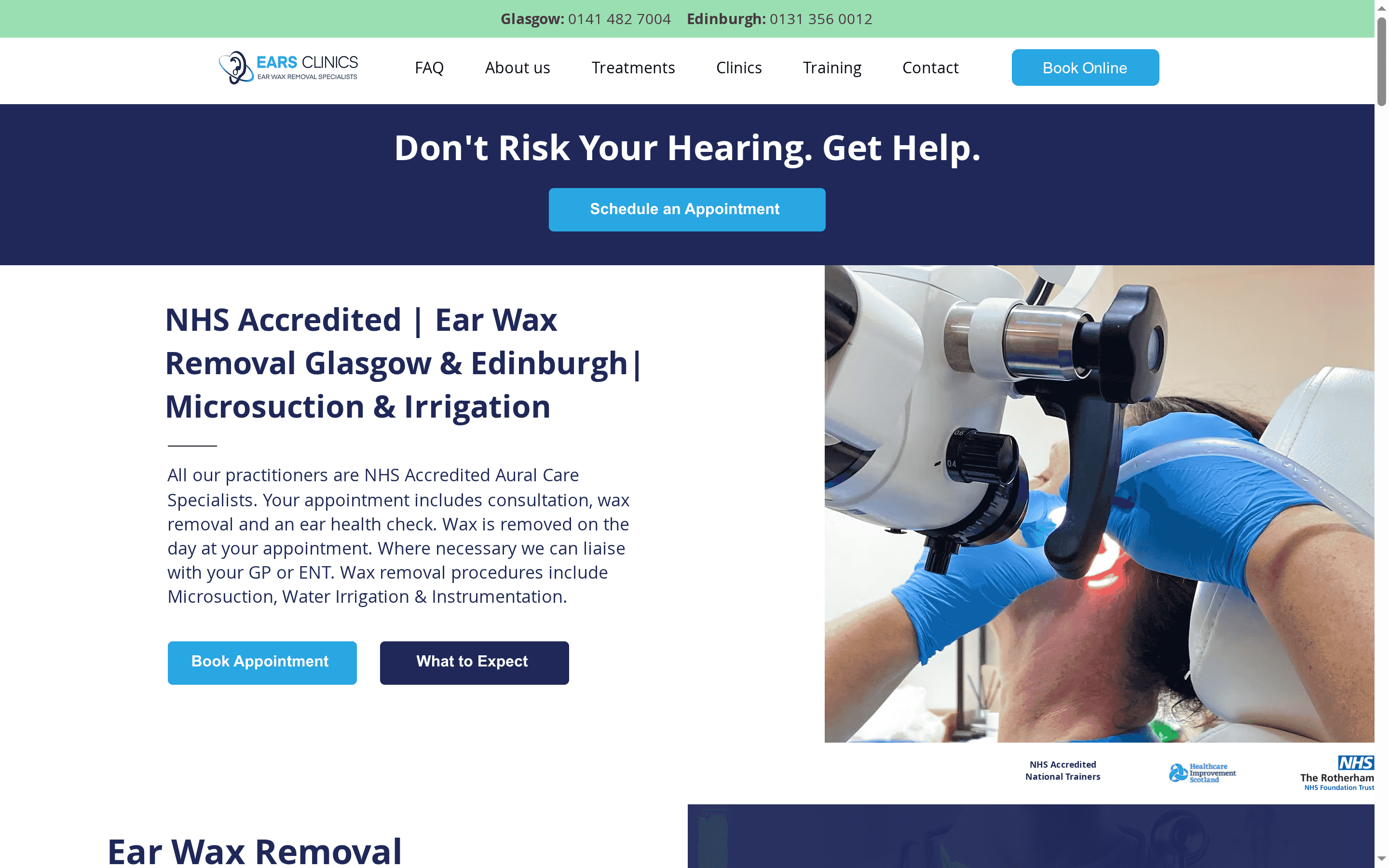
Don’t wait weeks for treatment. Benefit from shorter waiting times, same-day appointments, and expert care tailored to your needs. Discover how EARS Clinics provide immediate relief and protect your hearing health by visiting EARS Clinics. Learn more about our safe ear wax removal procedures and why choosing private care can make a difference when NHS services fall short.
Frequently Asked Questions
What are the common symptoms of ear wax build-up in older adults?
Common symptoms include decreased hearing ability, ear fullness or pressure, occasional tinnitus (ringing in the ears), mild ear discomfort, and difficulty hearing conversations.
How does ear wax removal differ between microsuction and irrigation?
Microsuction uses a controlled suction technique under visual observation, providing precise and minimally invasive removal without introducing moisture. In contrast, irrigation involves flushing the ear with warm water, which may be less comfortable and is not recommended for certain ear conditions.
Why might pensioners need to consider private ear wax removal services?
Due to the decline in NHS ear wax removal services, pensioners may face longer waiting times for appointments. Private services offer immediate access, shorter waits, and advanced techniques to manage ear wax effectively.
Are there specific considerations for hearing aid users regarding ear wax?
Yes, hearing aid users experience faster ear wax accumulation because the devices can trap moisture and inhibit natural wax migration. Regular professional assessments and cleanings are crucial to maintain both ear health and hearing aid functionality.
Recommended