
Ear health tips for children: prevent wax buildup in 2026
TL;DR:
Healthy children’s ears typically require no intervention unless symptoms indicate problems.
Safe home care includes wiping the outer ear and avoiding objects like cotton buds.
Seek professional help if symptoms persist beyond a few days or involve pain or hearing loss.
As a parent, it is easy to feel uncertain about the best way to care for your child’s ears. You might worry about earwax causing hearing problems, or wonder whether cleaning their ears too often could actually do more harm than good. The conflicting advice online does not help matters. Some sources recommend cotton buds; others insist on expensive gadgets with little scientific backing. The good news is that reliable, expert-backed guidance does exist, and it is simpler than you might expect. This article walks you through practical, NHS-aligned ear health tips for children aged 2 to 18, so you can feel confident protecting their hearing without causing harm.
Key Takeaways
Point | Details |
Earwax protects | Earwax is natural and generally safe to leave unless causing problems. |
Stick to safe routines | Use soft cloth and gentle home drops; never insert objects into ears. |
Know when to escalate | Persistent symptoms or hearing loss require professional help. |
Microsuction is best | Microsuction is safe, effective, and preferred for stubborn cases. |
Understanding ear health basics in children
Before reaching for any cleaning tool, it helps to understand what healthy ears actually look like and how they function. The ear canal is a self-cleaning system. Earwax, known medically as cerumen, naturally migrates outwards, carrying with it dust, debris, and dead skin cells. In most children, this process works remarkably well without any parental involvement at all.
Healthy ears in children share a few common characteristics:
No persistent pain or itching inside the canal
Clear or slightly wax-tinged discharge only after swimming or bathing
Normal hearing responses when spoken to at a conversational volume
No foul odour coming from the ear
Occasional visible wax at the outer ear, which is entirely normal
If your child’s ears look and function like this, they most likely need no intervention whatsoever. The temptation to remove visible wax is understandable, but safe ear cleaning for children begins with recognising that the outer ear is the only part you should ever touch.
Warning signs worth monitoring include persistent discomfort, a sudden drop in hearing, repeated ear infections, or unusual discharge with an odour. These are signals that something more is happening and that professional assessment is warranted.
One of the most widespread myths is that ear candles offer a safe, natural solution for wax removal. They do not. Evidence shows no support for ear candles or decongestants; only softening agents combined with irrigation or microsuction are clinically proven interventions. Ear candles carry a genuine risk of burns and wax blockage, particularly in children. Understanding why safe techniques matter is the essential first step before anything else.
Important: Clinical guidelines advise strongly against ear candling and deep cleaning of the ear canal in children. These methods are not evidence-based and may cause serious injury.
Proper blood flow to the ear also contributes to healthy hearing over time, and some research highlights the role of ear microcirculation in supporting overall ear comfort and function.
Safe home ear care routines every parent can follow
Now that you know what a healthy ear should look like, here are safe steps you can use at home. The guiding principle is simple: clean what you can see, and leave the rest alone.
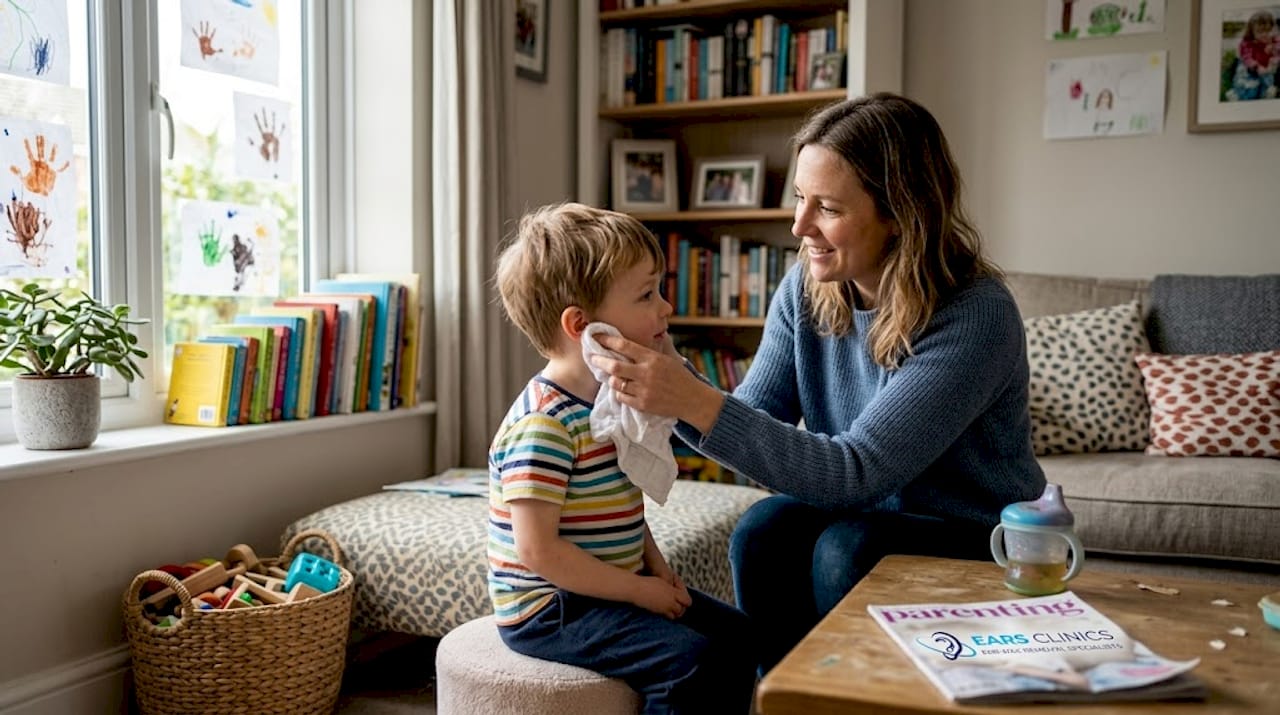
Wipe the outer ear only. After bathing, use a soft, damp cloth to gently wipe the outer ear and the area just inside the entrance to the canal. Never push the cloth or any object further in.
Dry ears carefully after swimming or bathing. Tilt your child’s head gently to each side to allow water to drain, then pat the outer ear dry. Excess moisture can encourage bacterial growth.
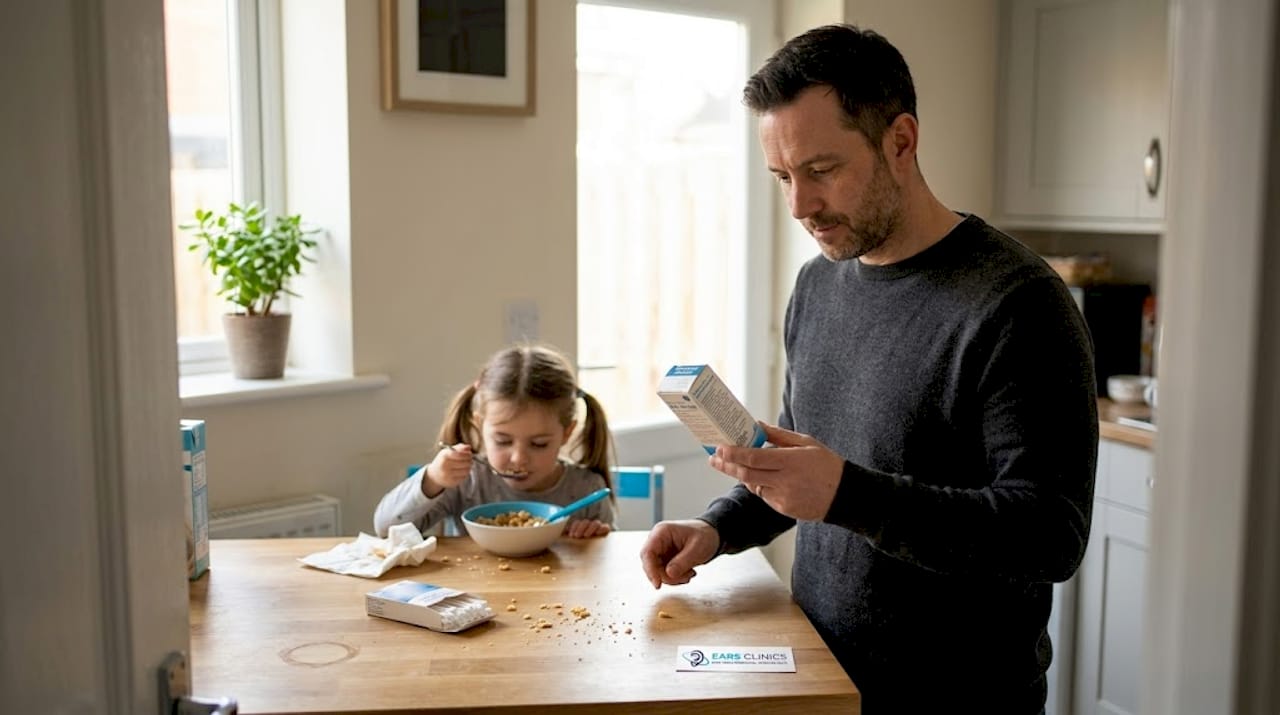
Avoid inserting any objects into the ear canal. This includes cotton buds, fingers, and folded tissue. Even objects designed to look safe can cause real damage.
Check for wax buildup monthly. A visual inspection of the outer ear is all that is needed. Visible wax at the entrance is normal; concern arises only if your child reports discomfort or hearing difficulty.
Use softening drops for mild blockage. Pharmacy-bought olive oil or sodium bicarbonate drops are a first-line, safe option for mild blockage in children. Apply as directed on the packaging, usually two to three times daily for up to a week.
Pro Tip: Use a soft flannel rather than cotton wool when wiping the outer ear. Cotton fibres can catch and sometimes leave residue near the canal entrance, which may cause unnecessary irritation.
Bathing itself poses little risk to healthy ears. Unless your child has grommets (small ventilation tubes placed in the eardrum) or a known perforation, normal water exposure during bathing is fine. If grommets are present, your GP or specialist will advise on appropriate precautions.
For more guidance on protecting your child’s hearing at home, and for a broader look at essential ear health tips for children, trusted resources are available to support you at every stage.
When to seek professional help: NHS options and procedures
If you notice ongoing issues or troubling symptoms, expert care is the safest move. Knowing when to act promptly can prevent minor problems from becoming more serious.
Seek professional assessment if your child experiences any of the following for more than three to five days: significant hearing loss, ear pain, visible discharge, or a feeling of fullness in the ear. These symptoms suggest that wax may be impacted or that an infection has developed.
The standard NHS pathway begins with your GP or community pharmacist. They can assess the ear, recommend softening drops, and refer on if needed. Waiting times for NHS audiology or ear, nose, and throat (ENT) services vary considerably across Scotland, and some families find that waiting several weeks is not practical when a child’s hearing is affected at school.
For those who need faster access, private clinics such as EARS Clinics offer microsuction vs irrigation for children as same-day appointments. Microsuction is highly successful with low complication rates and is a leading choice for persistent or complex wax blockage in children.
Procedure | How it works | Comfort level | Best suited for |
Microsuction | Gentle suction removes wax under a microscope | High | Most children; impacted wax |
Irrigation | Warm water flushes the canal | Moderate | Soft, non-impacted wax |
Manual removal | Instruments used to extract wax | Moderate | Specific wax types or anatomy |
All three methods, when performed by a trained specialist, are safe and effective. Your clinician will assess which approach suits your child best. For more on NHS-accredited solutions for children, guidance is available to help you make an informed choice.
Expert-recommended dos and don’ts for childhood ear care
With methods and escalation pathways clear, these expert-backed dos and don’ts let you act with confidence. Separating myth from evidence is not always easy, but the science is consistent.
Do:
Wipe the outer ear gently with a soft cloth after bathing
Use pharmacy softening drops for mild wax at the advice of a pharmacist
Monitor for warning signs and act promptly when they appear
Speak to your GP if your child has recurring ear infections or hearing concerns
Ask your specialist about advanced cleaning techniques for children if standard methods are not resolving the issue
Don’t:
Use cotton buds, ear candles, or homemade devices inside the ear canal
Attempt to flush the ear at home with improvised equipment
Ignore hearing difficulties lasting more than a few days
Assume that ear pain always means infection; wax blockage can mimic infection symptoms
Cotton buds, ear candles, and DIY devices are not supported by evidence and carry real risks of injury, including canal damage and eardrum perforation.
Common myth | Evidence-backed reality |
Cotton buds clean the ear safely | They push wax deeper and risk injury |
Ear candles draw out wax | No clinical evidence; risk of burns |
More wax means an unclean ear | Wax is protective and normal |
All wax must be removed | Only symptomatic wax requires removal |
Olive oil is unsafe for children | Pharmacist-recommended drops are safe for mild blockage |
For families seeking reassurance alongside practical support, learning about professional ear cleaning for children from a regulated provider helps clarify what clinical care truly involves.
Why less is more: Our perspective on ear care for children
Having reviewed the expert consensus and worked with families across Scotland, our clinical view is straightforward: the single biggest mistake parents make is intervening too much, too soon.
The ear is one of the few parts of the body that genuinely looks after itself in the vast majority of cases. Science is clear that ears self-clean through natural jaw movement and epithelial migration. Over-involvement, particularly with objects inserted into the canal, disrupts this process and frequently causes the very problems parents are trying to prevent.
We understand the impulse. Visible wax can look alarming. Children complain, and parents want to fix things quickly. But the most effective approach is gentle outer care, prompt recognition of genuine warning signs, and confidence in seeking expert-led safe approaches when symptoms persist.
Pro Tip: Trust NHS and regulated clinic guidance over trending wellness products. Many popular ear care gadgets lack clinical validation and are not designed with children’s anatomy in mind.
Parents who do less, and act swiftly when it genuinely matters, tend to see the best outcomes for their children’s long-term hearing health.
Get personalised support: NHS-accredited solutions for your child
If reading this has raised questions, or if your child is currently experiencing discomfort, hearing difficulty, or suspected wax blockage, professional support is closer than you might think.

At EARS Clinics, we are Healthcare Improvement Scotland (HIS) registered and licensed to treat children from two years of age. Our Aural Care Specialists use NHS-accredited removal procedures including microsuction and irrigation, performed safely in a clinical environment. For families who cannot travel easily, home ear wax removal visits are available across our service area. Appointments for under-18s are priced at £75, with home visits at £180. Same-day appointments are often available, meaning your child’s hearing does not have to wait.
Frequently asked questions
Can I use cotton buds to clean my child’s ears?
No. Cotton buds push wax deeper into the canal and carry a real risk of injury to the ear canal and eardrum. NHS guidelines consistently advise against their use inside the ear.
What are the safest home remedies for mild earwax in kids?
Pharmacy softening drops such as olive oil or sodium bicarbonate solution are the safest option for mild wax buildup. These home drops are first-line and inexpensive; avoid inserting any object into the canal alongside them.
When should I seek professional help for my child’s ear problem?
If symptoms such as pain, hearing loss, or discharge persist beyond three to five days, seek professional assessment. Do not wait if your child appears distressed or if hearing loss is affecting their daily life.
Is microsuction safe for young children?
Yes. Microsuction is highly recommended for children because it is precise, gentle, and carries a low risk of complications when performed by a trained specialist. EARS Clinics are regulated to carry out this procedure on children from two years of age.
Recommended