
Audiologists for safe ear care: what you need to know
TL;DR:
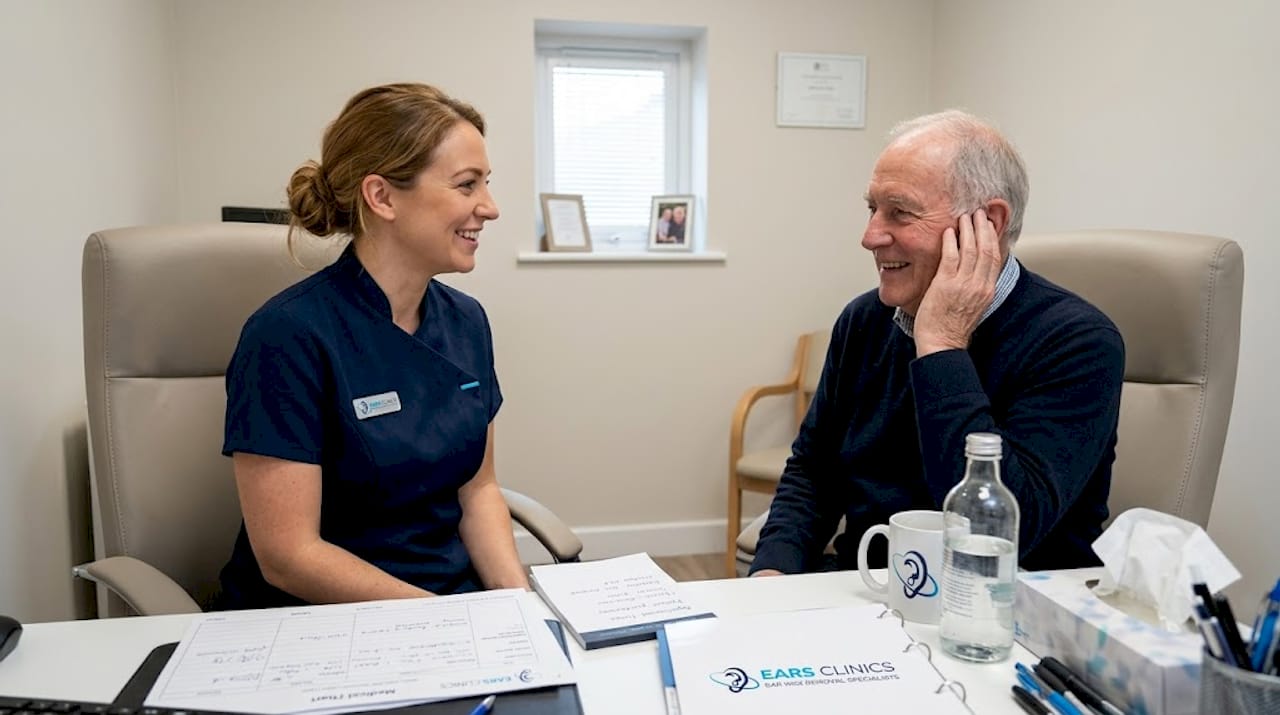
Audiologists are trained healthcare professionals who manage ear conditions, including wax removal, without a GP.
Microsuction is the safest, most precise method used by audiologists for ear wax removal.
Private clinics offer same-day appointments, reducing NHS delays and improving patient outcomes.
Many people in Glasgow and Edinburgh put off dealing with ear wax blockage simply because they assume a GP or specialist consultant is the only option. That assumption costs time, comfort, and in some cases, hearing. Audiologists are highly trained clinicians who assess and treat ear conditions as a primary role, not a secondary one. They offer safe, accredited, and often same-day care that most people do not realise is available to them. This guide explains who audiologists are, how they remove ear wax safely, why prompt access matters, and what you can expect from your first appointment.
Key Takeaways
Point | Details |
Audiologists are hearing specialists | They are trained to safely diagnose and treat ear wax issues for both adults and children. |
Microsuction is gold standard | Accredited audiologists use microsuction for immediate, low-risk wax removal. |
Immediate treatment is available | You can access prompt, expert care in Glasgow and Edinburgh without needing a GP referral. |
Choose accredited clinics | Accredited services ensure the highest safety standards, especially important for children. |
What is an audiologist?
An audiologist is a qualified healthcare professional who specialises in diagnosing, managing, and treating hearing and balance conditions. Their training goes well beyond what a GP receives in ear-related care. Most audiologists complete a degree-level or postgraduate qualification in audiology, followed by supervised clinical placements in NHS or accredited private settings. This combination of academic study and hands-on experience equips them to manage a wide range of ear health concerns, from hearing loss assessments to ear wax removal.
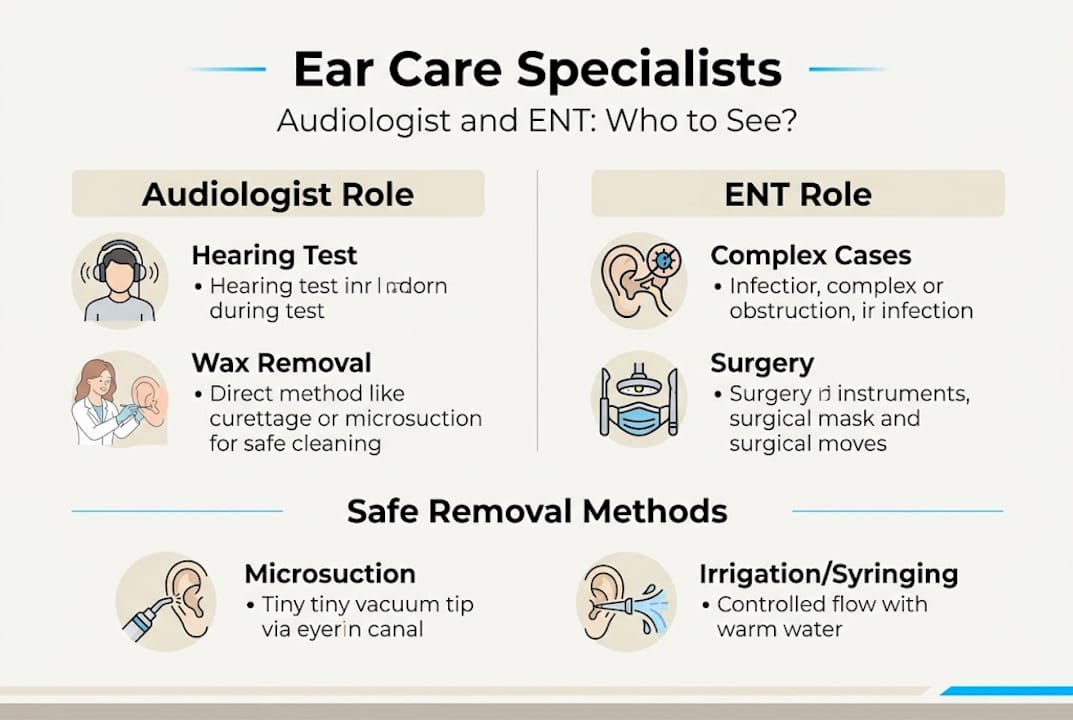
It is worth being clear about how audiologists differ from other clinicians. An ENT (Ear, Nose and Throat) consultant is a medical doctor who typically handles complex or surgical cases. A GP provides general healthcare and may refer you onwards. A hearing aid dispenser focuses on fitting hearing devices. An audiologist, by contrast, sits at the intersection of clinical assessment and practical intervention, making them the most appropriate first point of contact for routine ear wax removal and hearing concerns.
According to audiologist training standards, audiologists are trained to assess and treat ear wax using safe methods according to best UK practice. This means they are not simply performing a task; they are applying clinical judgement to each individual case.
The main responsibilities of an audiologist include:
Conducting hearing assessments and audiological evaluations
Identifying and managing ear wax build-up using accredited techniques
Advising on hearing protection and ear health maintenance
Assessing balance disorders and referring complex cases where appropriate
Providing aftercare guidance and follow-up support
Treating patients of all ages, including young children, in regulated clinical settings
For families and individuals in Glasgow and Edinburgh seeking fast, reliable ear care, audiologists represent the most direct and safest route to treatment.
How audiologists safely remove ear wax
The method an audiologist uses to remove ear wax matters enormously, particularly for children or anyone with a sensitive ear canal. The three main methods used in accredited clinics are microsuction, irrigation, and instrumentation. Of these, microsuction is widely regarded as the most precise and safest approach.
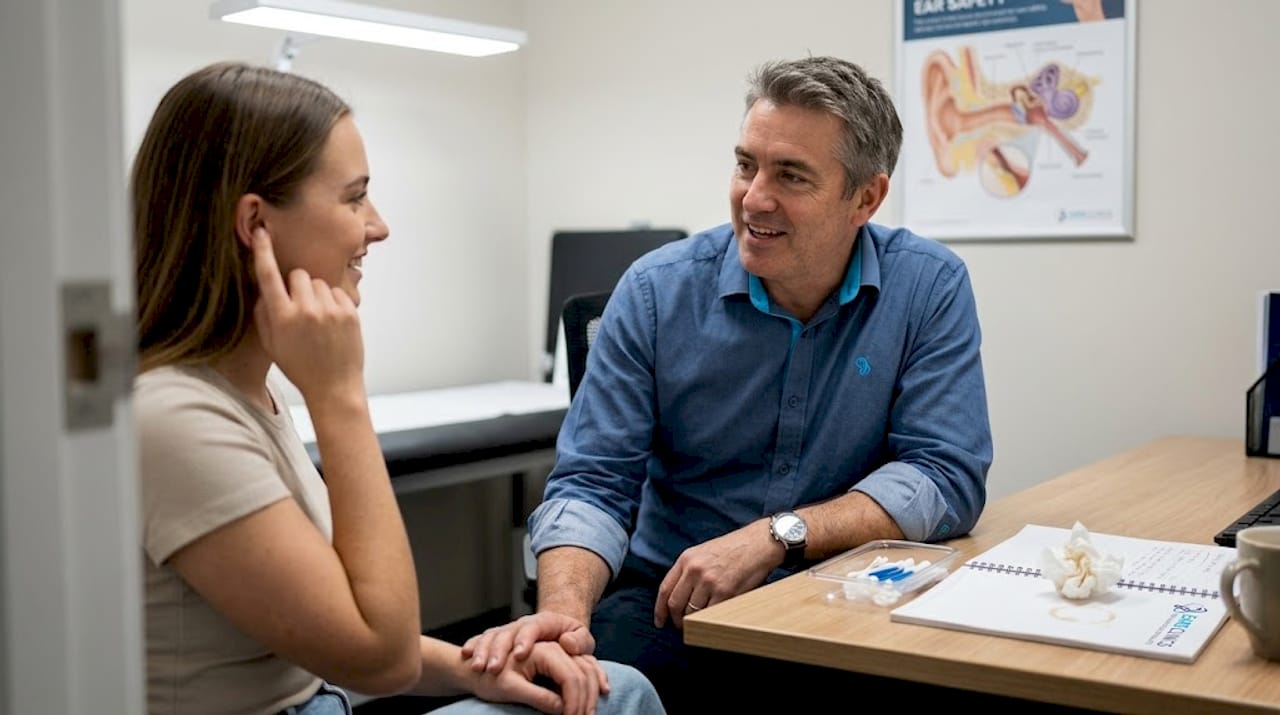
Microsuction uses a fine suction device guided by a microscope or loupes (magnifying lenses worn by the clinician). Because the audiologist can see exactly what they are doing at all times, the risk of accidental contact with the ear canal wall is significantly reduced. Understanding how microsuction works helps explain why it is now the preferred choice in clinical settings. The advantages of microsuction over older techniques are particularly relevant for those with previous ear surgery, perforations, or a history of ear infections.
Irrigation, formerly known as ear syringing, uses a controlled stream of warm water to flush wax from the canal. While effective in straightforward cases, it is not suitable for everyone. Audiologists avoid it in high-risk situations, including children under a certain age, patients with suspected perforations, or those with certain medical histories.
Method | Safety | Effectiveness | Best suited for |
Microsuction | Very high | Excellent | Most adults and children |
Irrigation | Moderate | Good | Healthy ears, no perforation |
Self-removal (cotton buds) | Low | Poor | Not recommended |
The UK microsuction guidelines are clear: microsuction is now the gold standard for ear wax removal due to patient safety reasons.
Most microsuction procedures take between 5 and 30 minutes per ear, making it one of the quickest and most effective clinical interventions available for ear health.
A typical microsuction procedure follows these steps:
The audiologist takes a brief clinical history and checks for any contraindications
A handheld otoscope is used to examine the ear canal and assess the wax
The patient is positioned comfortably and the suction device is carefully introduced
The audiologist works under direct visual guidance to remove the wax gently
A post-procedure examination confirms the canal is clear
Aftercare advice is provided, including guidance on prevention
Pro Tip: If you are visiting an accredited clinic for the first time, there is no need to use olive oil drops beforehand unless specifically advised. Ask your audiologist at the time of booking.
Why immediate access matters: NHS versus private clinics
One of the most significant shifts in UK ear care in recent years is the way the NHS now handles routine ear wax removal. Many GP practices no longer offer ear irrigation or syringing as a standard service, and wait times for NHS audiology referrals can be lengthy. The private versus NHS referral pathway has changed considerably, with the NHS increasingly referring to private audiology clinics for prompt care rather than GPs handling it in-house.
Factor | NHS pathway | Private accredited clinic |
Wait time | Weeks to months | Same day or same week |
GP referral needed | Often yes | No |
Pre-treatment requirements | Possible | Minimal or none |
Children treated | Limited | From age 2 |
Cost | Free but delayed | From £60 (adults), £75 (under-18s) |
For individuals and families in Glasgow and Edinburgh, this difference is practical and immediate. The Glasgow patient safety protocols at accredited private clinics are stringent, ensuring that even same-day appointments meet the highest clinical standards.
Delaying treatment is not simply an inconvenience. The risks of leaving ear wax blockage untreated include:
Progressive hearing loss in the affected ear
Tinnitus (a ringing or buzzing sensation)
Ear pain and a feeling of fullness or pressure
Increased risk of ear infection
Missed school days or reduced concentration in children
Reduced performance at work due to communication difficulties
Children are particularly vulnerable because they may not be able to articulate what they are experiencing. A child who seems inattentive or slow to respond may simply have a wax blockage. Specialist audiologist-led care, available at 3x faster expert wax removal than standard NHS waiting periods, is especially valuable in these situations.
What to expect from your audiologist visit
For many people, especially parents bringing a child for the first time, not knowing what to expect can create unnecessary anxiety. The reality is that a visit to an accredited audiologist is calm, professional, and generally very quick.
Here is a step-by-step overview of a typical appointment:
Symptom check: You describe what you have been experiencing, including any reduced hearing, discomfort, or fullness in the ear
Medical history review: The audiologist asks about previous ear conditions, surgery, or relevant health factors
Ear examination: Using an otoscope, the audiologist inspects the ear canal and eardrum to assess the type and location of wax
Wax removal: The appropriate technique, most commonly microsuction, is applied gently and precisely
Post-procedure check: A follow-up examination confirms the canal is clear and the eardrum is healthy
Aftercare advice: You receive personalised guidance on ear maintenance and when to return if needed
For children, it helps to bring a familiar toy or comforter to keep them relaxed. Let the audiologist know in advance if your child has any anxieties. EARS Clinics are licensed to treat patients from the age of 2, and our practitioners are experienced in working with young patients calmly and gently. You can read more in our procedure overview for microsuction and our guide to effective microsuction for step-by-step detail.
Audiologists ensure safe, effective microsuction under strict protocols in accredited clinics, which means every stage of your appointment is governed by clinical guidelines, not guesswork. If you have particularly sensitive ears safe relief is still very much achievable with the right specialist.
Pro Tip: Before your appointment begins, ask the audiologist about their qualifications and whether the clinic holds Healthcare Improvement Scotland (HIS) registration. A regulated clinic will welcome that question without hesitation.
Our perspective: why specialist audiologist care changes outcomes
There is an ongoing international debate about the scope of practice for audiologists. In the United States, the scope of practice debate suggests a tighter clinical role, limiting what audiologists are expected to manage independently. UK evidence points firmly in the other direction. Here, audiologists are recognised as primary clinical contacts for ear health, and that distinction genuinely changes outcomes for patients.
The misconception that only an ENT doctor or GP should treat ear wax blockage is not just outdated. It actively delays care. For a busy parent in Edinburgh trying to get a child’s hearing checked before the school term, or a professional in Glasgow who cannot afford to wait six weeks for an NHS appointment, audiologist-led care at an accredited private clinic is not a compromise. It is the better option. Safe and effective microsuction delivered by a trained specialist under clinical governance is, by any measure, the right standard of care.
US guidelines suggest a tighter scope for audiologists, but UK evidence supports their central clinical role, and we believe that approach serves patients far better.
Book safe ear care with accredited audiologists
If you or your child is experiencing muffled hearing, ear fullness, or discomfort, do not wait for a GP referral. EARS Clinics in Glasgow and Edinburgh offer same-week and same-day appointments with NHS-accredited Aural Care Specialists who are registered with Healthcare Improvement Scotland.
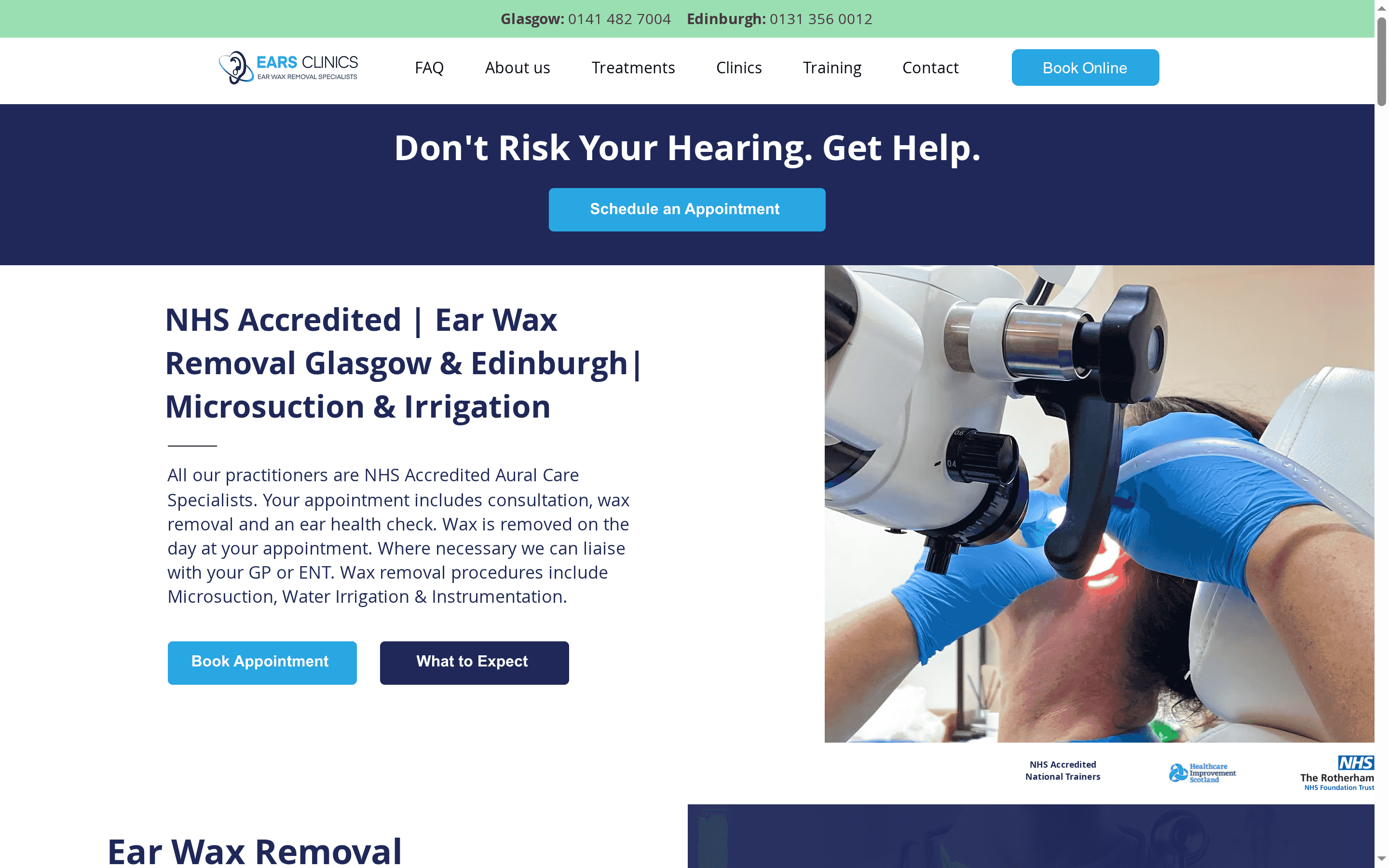
All available ear wax removal options are carried out by trained professionals using modern, safe techniques including microsuction and irrigation. Appointments start from £60 for adults and £75 for under-18s, with home visits available at £180. Take the first step towards clearer hearing and book online ear wax removal today. We are here to help, and we make it simple.
Frequently asked questions
Is microsuction ear wax removal safe for children?
Yes, microsuction is gold standard and suitable for children when performed by an accredited audiologist using appropriate equipment. EARS Clinics are licensed to treat patients from the age of 2.
How long does an audiologist ear wax removal take?
Most procedures last between 5 and 30 minutes per ear. The procedure duration varies depending on the volume and consistency of the wax, but patients are typically seen and treated within a single short appointment.
Do I need a GP referral for ear wax removal at a clinic?
No, you can book directly with an accredited audiologist without any referral. The NHS now defers much routine ear care to specialist audiology clinics for faster, more convenient access.
What is the difference between microsuction and syringing?
Microsuction uses gentle suction under visual guidance and carries a lower risk of complications. Syringing flushes warm water into the ear canal and, while effective in some cases, is not suitable for everyone. Microsuction is safer than syringing and is now the preferred standard in accredited UK clinics.
Recommended