
Ear Health Checklist for Kids: Essential Parent Guide
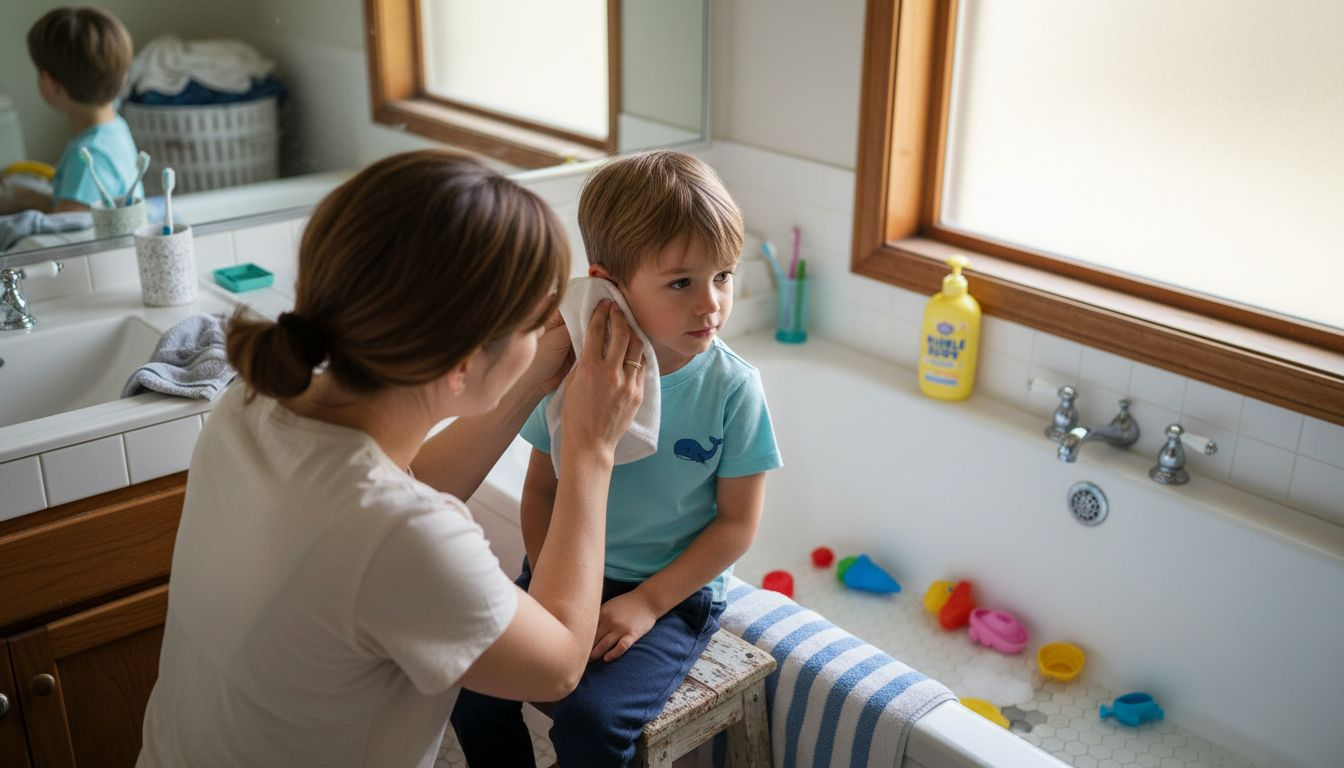
Every parent faces the challenge of keeping their child’s ears healthy and comfortable. Earwax is a natural protective barrier that guards against dirt and bacteria, yet managing buildup and discomfort can be confusing for families in Glasgow and Edinburgh. By focusing on appropriate cleaning methods and watching closely for early signs of issues, parents can safeguard ear health while preventing unnecessary complications. This guide offers practical steps and expert tips for maintaining gentle ear care routines throughout childhood.
Quick Summary
Key Point | Explanation |
1. Create a Safe Ear Care Environment | Establish boundaries and practice gentle cleaning methods to ensure children’s ear health without risking injury. |
2. Observe for Common Ear Health Signs | Monitor children for symptoms like pain, fever, and irritability to detect potential ear issues early. |
3. Clean Ears Using Approved Methods | Use soft washcloths and warm water for external cleaning, avoiding cotton swabs or invasive techniques. |
4. Keep a Symptom Tracking Log | Document any ear-related symptoms to assist healthcare professionals in evaluating your child’s ear health. |
5. Seek Medical Help When Necessary | If symptoms persist or worsen, consult a healthcare professional to prevent complications such as hearing loss. |
Step 1: Prepare a Safe Ear Care Environment
Creating a safe ear care environment for children requires thoughtful preparation and understanding of gentle, protective practices. Parents play a crucial role in maintaining their child’s ear health by avoiding harmful cleaning techniques and establishing safe routines.
When preparing your ear care environment, focus on establishing boundaries and using appropriate cleaning methods. Proper ear care principles emphasise avoiding invasive procedures that could potentially damage delicate ear structures. Key strategies include:
Keep small objects away from children’s ears
Use soft, clean washcloths for external ear cleaning
Ensure good lighting when examining ears
Maintain calm, gentle interactions during ear care
Parents should never insert cotton swabs, fingers, or any objects inside the ear canal. The ear is a self-cleaning organ, and natural earwax provides important protection against dirt and bacteria. Children’s ears require minimal intervention, primarily focusing on gentle external cleaning.

Here is a summary of safe and unsafe ear care actions for children:
Action | Recommended Practice | Potential Risk if Ignored |
External cleaning | Gentle wipe with flannel | Skin irritation, infection |
Use of cotton swabs | Avoid entirely | Damage to ear canal, impaction |
Monitoring earwax | Leave unless advised | Hearing issues if over-removed |
Checking for foreign objects | Keep objects away | Risk of blockage or injury |
Earwax is a natural protective mechanism that helps trap dirt and prevent infections. Do not attempt to remove it unless advised by a healthcare professional.
Expert Tip: Keep a soft, clean washcloth and warm water nearby for safe, gentle external ear cleaning during regular bathing routines.
Step 2: Observe for Common Ear Health Signs
Understanding and recognising potential ear health issues in children requires keen observation and awareness of subtle changes in behaviour and physical symptoms. Parents serve as the first line of defence in detecting potential ear problems before they escalate into more serious conditions.
Ear infection symptoms can manifest through various indicators that parents should monitor closely. Common signs suggesting potential ear health concerns include:
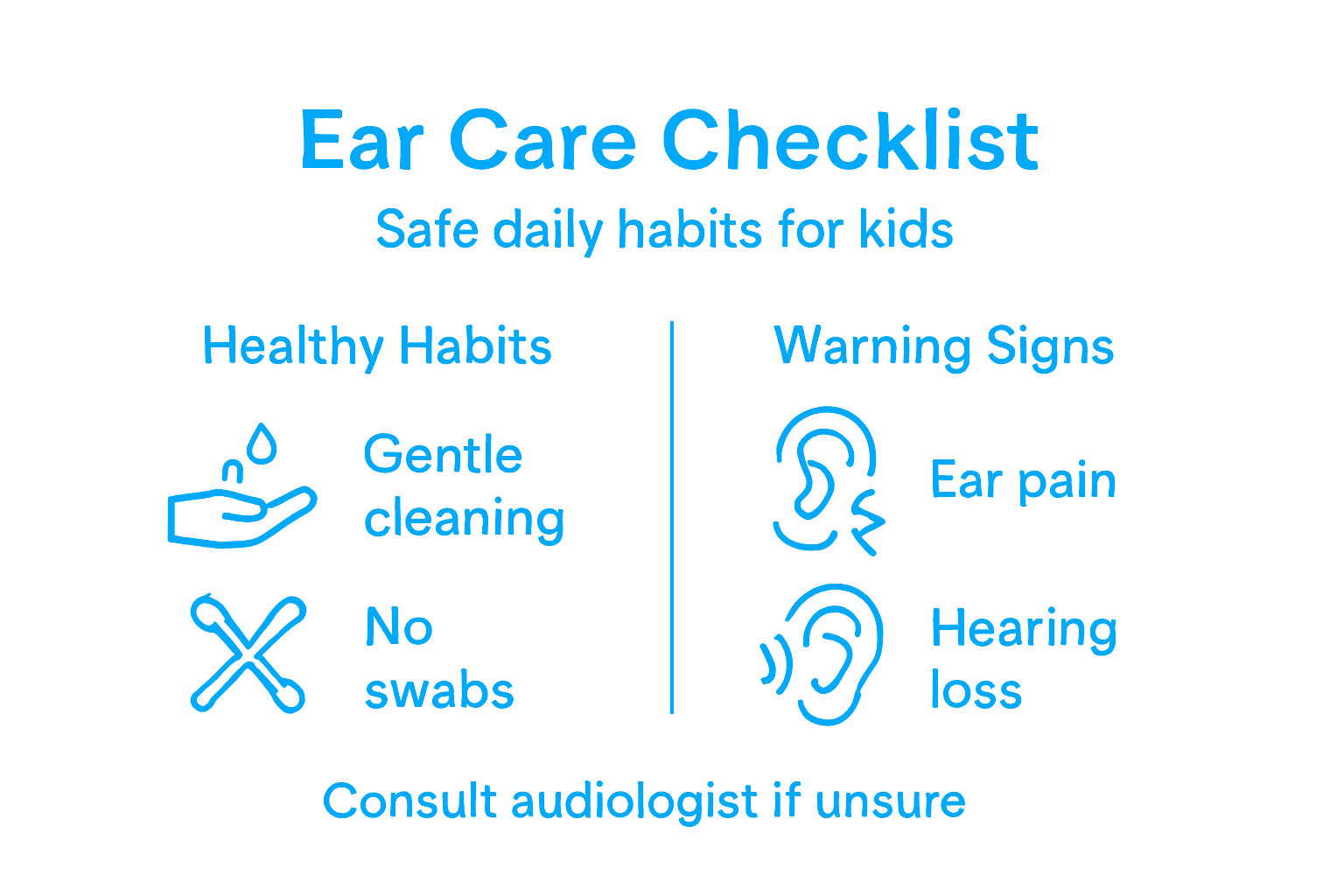
Persistent ear pain or tugging at ears
Unexplained fever
Difficulty hearing or responding to sounds
Discharge from the ear
Unusual irritability or disrupted sleep patterns
Balance problems or dizziness
Complaints of pressure or fullness in the ears
Parents should pay special attention to children who cannot yet verbally communicate their discomfort. Non-verbal cues are particularly important when assessing potential ear health issues. Observe your child’s behaviour during activities like eating, sleeping, and playing for any unusual signs of distress.
Recognising early signs of ear problems can prevent complications and ensure timely medical intervention.
Expert Tip: Keep a detailed log of your child’s ear-related symptoms, including dates and specific observations, to help healthcare professionals make accurate diagnoses.
Step 3: Clean Ears with Approved Methods
Navigating ear cleaning for children requires gentle techniques and a deep understanding of what constitutes safe, appropriate care. Parents must recognise that ears are remarkably self-maintaining organs that typically require minimal intervention.
Safe ear cleaning practices emphasise protecting the delicate ear structure while maintaining basic hygiene. Appropriate ear cleaning methods include:
Wiping the outer ear gently with a soft, damp washcloth
Using warm water without inserting anything into the ear canal
Drying ears thoroughly after bathing
Avoiding cotton swabs or sharp objects
Checking ears regularly for signs of wax buildup
Parents should understand that earwax serves a protective function and should not be routinely removed. The ear’s natural mechanism helps trap dust, prevent infections, and maintain a healthy environment. Professional medical intervention is recommended only when excessive wax causes specific symptoms like hearing difficulties or discomfort.
Ears are self-cleaning organs that require minimal external cleaning. Gentle, surface-level care is the safest approach.
Expert Tip: Keep a soft, clean flannel dedicated exclusively to ear cleaning, and replace it frequently to maintain proper hygiene.
Step 4: Monitor Results and Seek Specialist Help
Ear health management is an ongoing process that requires vigilant observation and proactive medical intervention when necessary. Parents play a crucial role in tracking their child’s ear health and recognising when professional assessment becomes essential.
Ongoing ear health monitoring involves systematically tracking symptoms and understanding when specialist intervention is required. Key indicators suggesting the need for professional evaluation include:
Persistent ear pain lasting more than 24-48 hours
Recurring ear infections within short periods
Unexplained hearing difficulties
Visible ear discharge or unusual drainage
Balance or coordination problems
Delayed speech or language development
Parents should maintain a detailed symptom tracking log to share with healthcare professionals. This documentation helps clinicians understand the progression of symptoms and make informed decisions about potential treatments or interventions.
This table compares symptoms requiring home management versus professional assessment:
Symptom Type | Home Care Guidance | Seek Medical Help When |
Mild ear discomfort | Monitor and log symptoms | Pain persists over 48 hours |
Minor earwax buildup | Use gentle external cleaning | Hearing is noticeably affected |
General irritability | Observe behaviour and comfort | Symptoms worsen or new signs emerge |
Recurrent infections | Keep symptom diary | Infections recur within short intervals |
Early detection and professional assessment are critical in preventing long-term ear health complications.
Expert Tip: Schedule annual hearing screenings for children, even if no immediate symptoms are present, to ensure comprehensive ear health monitoring.
Protect Your Child’s Ear Health with Expert Care
The “Ear Health Checklist for Kids” highlights the importance of recognising safe ear care practices and observing early signs of ear health issues in children. Parents face challenges such as avoiding harmful cleaning methods and knowing when to seek professional help, especially when children cannot clearly express discomfort. Key concerns include avoiding cotton swabs, understanding the protective role of earwax, and monitoring symptoms like persistent ear pain or discharge.
At EARS Clinics, we specialise in providing NHS-accredited, safe ear wax removal and comprehensive ear health services tailored for children from two years old. Our expert Aural Care Specialists use advanced methods including microsuction and irrigation to gently and effectively manage earwax build-up while ensuring the highest safety standards. We offer convenient options including same-day appointments and home visits in Glasgow and Edinburgh to address concerns promptly before they escalate.

Protect your child’s hearing by choosing trusted professional care that understands the nuances of paediatric ear health. Visit EARS Clinics today to learn more about our child-friendly ear care solutions and book an appointment for fast, gentle, and expert treatment. Your child deserves the best in ear health protection.
Frequently Asked Questions
How can I create a safe ear care environment for my child?
Creating a safe ear care environment involves establishing boundaries and using gentle cleaning methods. Focus on keeping small objects away from your child’s ears, using a soft washcloth for external cleaning, and maintaining calm interactions during ear care.
What are common signs of ear health issues in children?
Common signs of ear health issues include persistent ear pain, unexplained fever, and complaints of pressure in the ears. Observe your child’s behaviour for any unusual signs, particularly during eating, sleeping, or playing, to catch potential problems early.
How should I clean my child’s ears safely?
Clean your child’s ears by wiping the outer ear gently with a soft, damp washcloth and avoiding the insertion of any objects into the ear canal. Regularly check for wax buildup and dry the ears thoroughly after bathing.
When is it necessary to seek professional help for my child’s ear health?
Seek professional help if your child experiences persistent ear pain for more than 48 hours, has recurring ear infections, or shows unexplained hearing difficulties. Keep a detailed log of symptoms to share with healthcare professionals for accurate assessments.
How can monitoring my child’s ear health prevent complications?
Monitoring your child’s ear health allows you to recognise symptoms early and seek timely intervention, which can prevent complications. Maintain a symptom tracking log to identify patterns and report any recurring issues to a healthcare provider.
Recommended