
Ear Care Workflow Edinburgh: Safe Steps for Children

Every parent faces the worry of seeing their child struggle with ear pain or sudden hearing loss. Swift action matters, especially when symptoms like fever above 39°C or visible ear discharge appear, as highlighted by the Centers for Disease Control and Prevention and the American Academy of Pediatrics. If you want to avoid NHS delays, Edinburgh offers private clinics specialising in safe ear wax removal for children. This guide helps you recognise urgent signs, book expert care, and prepare your child for a calm, effective appointment.
Quick Summary
Essential Insight | Detailed Explanation |
1. Recognise urgent symptoms | Identify critical symptoms such as fever above 102.2°F and severe ear pain that require immediate medical attention. |
2. Book accredited ear care | Choose NHS-accredited clinics for ear wax removal, ensuring the practitioners are qualified and experienced. |
3. Prepare your child effectively | Use positive language and simple explanations to reduce anxiety and ensure your child feels secure before the visit. |
4. Understand removal techniques | Familiarise yourself with professional ear wax removal methods like microsuction and ensure they match your child’s needs. |
5. Monitor post-procedure health | After the procedure, track symptoms closely to identify any complications early and ensure your child’s ear health. |
Step 1: Identify symptoms needing urgent ear care in your child
Ear health requires vigilant monitoring for signs indicating potential complications. Parents need to understand the specific symptoms that signal a need for immediate professional ear care, distinguishing between mild discomfort and serious medical concerns.
Based on clinical guidelines, key urgent symptoms requiring professional assessment include:
Fever above 102.2°F (39°C)
Severe or persistent ear pain
Visible fluid or discharge from the ear
Sudden or progressive hearing loss
New-onset otorrhea (ear discharge)
Parents should pay particular attention to symptoms identified in acute otitis media diagnostic criteria. The American Academy of Pediatrics emphasises that children experiencing moderate to severe ear pain, especially if symptoms persist beyond 2-3 days, require professional evaluation.
Infants under 3 months with any ear-related fever demand immediate medical assessment to rule out serious infections.
Additionally, certain scenarios warrant urgent consultation with an ear care specialist:
Symptoms accompanied by high temperature
Visible ear canal inflammation
Child displaying significant discomfort or distress
Signs of balance or coordination disruption
Professional intervention becomes critical when symptoms suggest potential complications that could impact hearing or overall ear health. Quick recognition and appropriate response can prevent long-term challenges.
Pro tip: Keep a detailed symptom diary documenting date, time, and specific ear-related observations to provide comprehensive information during medical consultations.
Step 2: Book a private ear wax removal appointment in Edinburgh
Booking a professional ear wax removal service is a straightforward process designed to ensure safe and effective treatment for you and your child. Edinburgh residents have access to specialised clinics offering expert ear care services tailored to individual needs.
To book your appointment, follow these essential steps:
Research NHS-accredited ear care clinics
Check availability and location options
Prepare medical history and current symptoms
Contact clinic for specific appointment details
Parents seeking professional ear wax removal procedures should prioritise clinics with trained otological specialists. The British Society of Otology recommends selecting practitioners who understand precise microsuction techniques and patient safety protocols.
Private clinics in Edinburgh offer flexible booking options to accommodate your family’s schedule and specific ear health requirements.
Key considerations when booking include:
Clinic’s NHS accreditation status
Practitioner’s professional qualifications
Range of available ear wax removal techniques
Child-friendly consultation approach
Advance preparation can streamline your booking experience. Gather relevant medical information, including any previous ear conditions, current symptoms, and your child’s age, to facilitate a comprehensive consultation.
Typical appointment processes involve:
Initial telephone or online consultation
Medical history review
Specific procedure recommendation
Scheduled appointment time
Pro tip: Request a brief pre-appointment consultation to discuss your child’s specific ear health needs and alleviate any potential anxiety about the procedure.
Step 3: Prepare your child for a safe ear clinic visit
Preparing your child for an ear clinic visit requires thoughtful communication and gentle reassurance. The goal is to create a calm, supportive environment that helps your child feel secure and understood during the medical procedure.

Parental preparation strategies play a crucial role in reducing children’s anxiety about medical appointments. The American Academy of Pediatrics recommends addressing potential fears through open, age-appropriate dialogue.
Key preparation steps include:
Explain the procedure in simple terms
Use calm, positive language
Validate their feelings
Demonstrate support and understanding
A child who understands what to expect will feel more confident and cooperative during the ear examination.
Effective communication techniques for different age groups:
Toddlers (2-3 years): Use short, simple sentences
Preschoolers (4-5 years): Offer basic medical explanations
School-age children (6-12 years): Provide more detailed descriptions
Practice gentle, reassuring communication before the appointment. Avoid using words that might cause unnecessary worry, such as “pain” or “hurt”. Instead, focus on positive language that emphasises care and support.
Additional preparation recommendations:
Bring a comfort item like a favourite toy
Discuss the clinic visit as a positive experience
Encourage questions and active participation
Maintain a calm and confident demeanour
Pro tip: Consider a brief roleplay at home where you act out the clinic visit, allowing your child to familiarise themselves with potential procedures in a safe, comfortable environment.
Step 4: Experience professional ear wax removal by specialists
Professional ear wax removal represents a safe, precise approach to managing ear health for children and adults alike. Specialist clinicians use advanced techniques to ensure minimal discomfort and maximum effectiveness during the procedure.
Safe ear wax removal techniques require expert knowledge and specialised medical equipment. The Mayo Clinic emphasises that professional interventions prevent potential complications associated with home treatments.
Key aspects of the professional ear wax removal process include:
Comprehensive initial assessment
Selection of appropriate removal technique
Use of specialised medical instruments
Gentle, controlled procedure
Professional ear wax removal methods typically involve:
Visual ear canal examination
Detailed medical history review
Selection of optimal removal technique
Careful wax extraction
Each ear wax removal procedure is uniquely tailored to the individual patient’s specific ear health requirements.
The clinic will typically use one of these professional techniques:
Here is a comparison of professional ear wax removal techniques used in clinics:
Technique | Description | Typical Suitability |
Microsuction | Precise vacuum extraction | Ideal for most children |
Irrigation | Water-based wax flushing | Preferred for soft wax buildup |
Manual Instrumentation | Specialised curette tools | Best for small, hard wax deposits |
Each method is selected based on individual ear health needs and wax characteristics.
Microsuction: Precise vacuum extraction
Irrigation: Controlled water-based cleaning
Manual instrumentation: Specialist curette techniques
Maintain a calm and relaxed demeanour throughout the procedure. The specialists are trained to work with children and will ensure your child feels comfortable and supported.
Pro tip: Ask the specialist to explain each step of the procedure to your child, helping them feel more in control and less anxious during the ear wax removal.
Step 5: Verify safe results and arrange further support if needed
After ear wax removal, careful monitoring and follow-up are essential to ensure your child’s complete ear health and detect any potential complications early. The post-procedure assessment helps confirm successful treatment and identifies any additional care requirements.
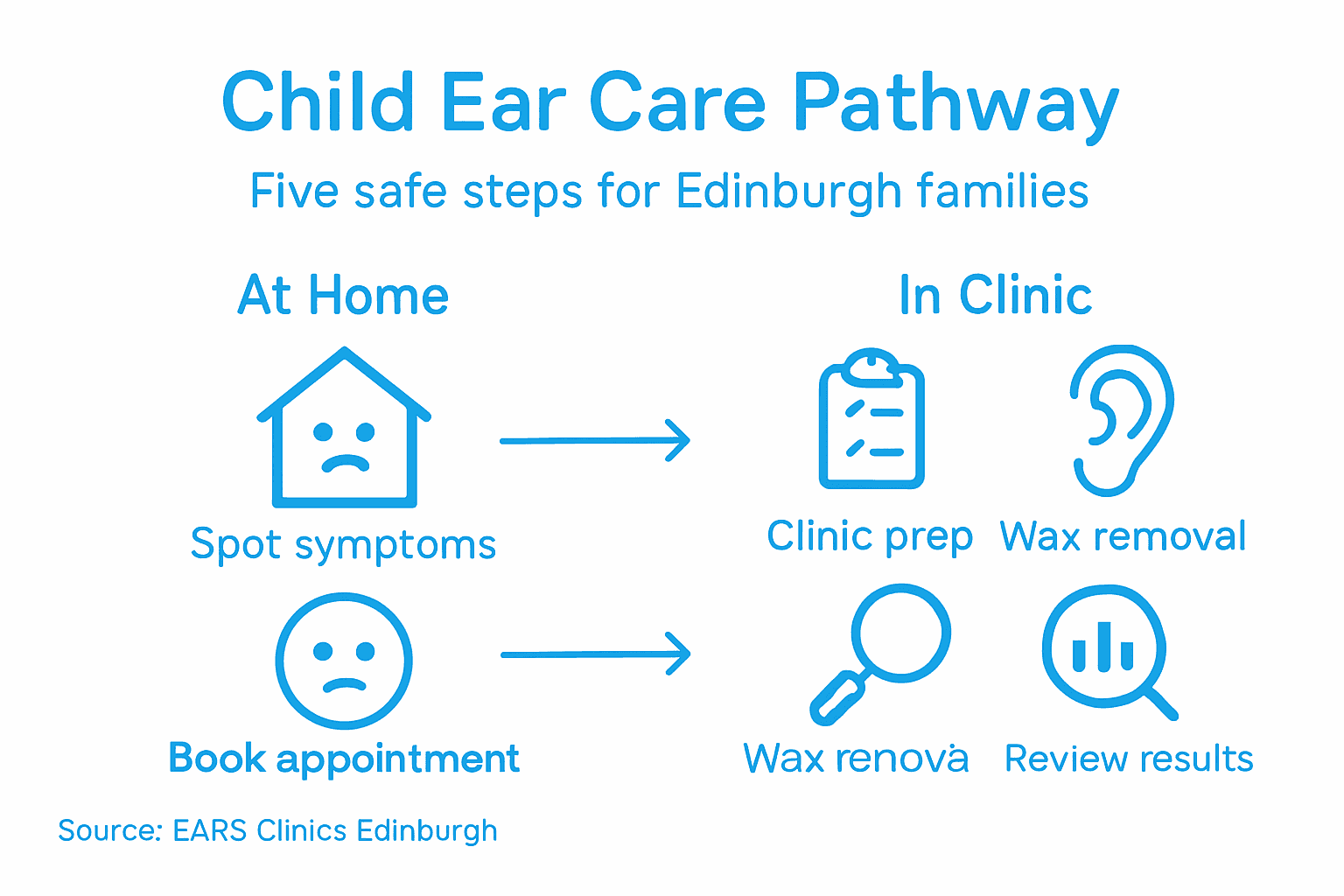
Comprehensive post-procedure monitoring from the American Academy of Otolaryngology recommends systematic follow-up to validate ear health and treatment effectiveness.
Key verification steps include:
The table below summarises key post-procedure monitoring steps and their purposes:
Verification Step | Purpose | Recommended Action |
Comfort assessment | Ensure child is not in distress | Observe and reassure |
Residual symptom check | Identify ongoing ear issues | Contact clinic if symptoms persist |
Hearing clarity review | Confirm restored hearing ability | Ask child to respond to sounds |
Monitoring for unusual sensations | Detect new problems early | Record and report if needed |
Systematic monitoring supports safe recovery and timely intervention.
Immediate post-procedure comfort assessment
Check for any residual symptoms
Review hearing clarity
Note any unusual sensations
Potential follow-up indicators that require additional medical attention:
Persistent ear pain
Continued hearing difficulties
Unexpected discharge
Temperature above 38°C
Prompt identification of post-procedure complications ensures swift, effective intervention.
Support arrangement process involves:
Scheduling follow-up appointments
Discussing additional treatment options
Providing home care instructions
Monitoring ear healing
Professional clinicians will guide your next steps, ensuring comprehensive care tailored to your child’s specific ear health needs.
Pro tip: Maintain a detailed post-procedure symptom diary to provide precise information during any subsequent medical consultations.
Ensure Your Child’s Ear Health with Expert Care in Edinburgh
Recognising urgent symptoms such as severe ear pain, discharge, or hearing loss in children can be worrying. The detailed ear care workflow emphasises timely professional intervention and tailored preparation to ensure safe, effective ear wax removal. At EARS Clinics, we specialise in NHS-accredited ear wax removal in Edinburgh using advanced techniques like microsuction and irrigation performed by trained Aural Care Specialists. Our private clinic offers convenient options including same-day appointments and home visits designed to ease your child’s discomfort swiftly and safely.
Don’t wait while your child experiences distress or persistent symptoms. Book a consultation today with EARS Clinics to benefit from shorter waiting times, child-friendly care, and regulated professional expertise. Visit EARS Clinics for details on our services including private ear wax removal appointments and learn how our safe procedures can alleviate your family’s ear health concerns promptly.
Frequently Asked Questions
What symptoms indicate my child needs urgent ear care?
Immediate professional ear care is needed if your child has a fever above 102.2°F (39°C), severe or persistent ear pain, visible fluid or discharge from the ear, sudden hearing loss, or new-onset ear discharge. Monitor these symptoms closely and consult a professional if they arise.
How do I book a private ear wax removal appointment for my child in Edinburgh?
To book a private ear wax removal appointment, research NHS-accredited ear care clinics in your area. Contact the chosen clinic directly to check availability, provide your child’s medical history, and discuss any specific symptoms before scheduling the appointment.
What should I do to prepare my child for a visit to the ear clinic?
Preparing your child involves explaining the procedure in simple terms, using positive language, and validating their feelings. Ensure your child understands what will happen during the visit, which can help them feel more secure and less anxious.
What techniques are used for professional ear wax removal?
Professional ear wax removal techniques commonly include microsuction, irrigation, and manual instrumentation. Each method is selected based on the specific needs of your child’s ear health and the type of ear wax present, ensuring a safe and effective procedure.
How should I monitor my child after the ear wax removal procedure?
After the procedure, observe your child for any signs of discomfort, check for residual symptoms, and review their hearing clarity. Keeping a detailed symptom diary will be helpful if you need to contact the clinic for further assessment or follow-up.
When should I seek further support after my child’s ear care appointment?
Seek further support if your child experiences persistent ear pain, ongoing hearing difficulties, or any unusual discharge after the procedure. Also, if they develop a temperature above 38°C, prompt medical attention is critical to address potential complications.
Recommended