
Ear Care for Children – Why Safe Techniques Matter

Every parent faces moments when a child complains about ear discomfort and struggles to explain what hurts. Ear health matters deeply, especially in Glasgow and Edinburgh where families want solutions that are gentle and reliable. Children’s ears are more vulnerable to infections and wax buildup than adults, making safe ear care practices essential. This guide will help parents understand how to protect their children’s ear health with methods that keep care simple, safe, and child-friendly.
Key Takeaways
Point | Details |
Importance of Ear Care | Ear care for children is crucial due to their unique ear anatomy, making them more susceptible to infections. Routine cleaning and professional assessments are essential for maintaining ear health. |
Recognising Symptoms | Parents should monitor for signs of ear problems, such as persistent pain or fluid drainage, and consult healthcare professionals when necessary. Early detection can prevent complications. |
Safe Ear Wax Removal | Ear wax serves a protective purpose and should only be removed when it causes significant discomfort. Using approved methods like olive oil drops is recommended before seeking professional help. |
Professional vs. At-Home Care | While home care is supportive, clinic-based ear care provides accuracy and targeted treatments that can address complex ear health challenges effectively. Parents should understand when to seek professional intervention. |
What Is Ear Care for Children?
Ear care for children involves specialised health management focusing on maintaining optimal ear hygiene and preventing potential complications. Paediatric ear care encompasses multiple aspects of ear health, ranging from routine cleaning to professional medical interventions aimed at protecting children’s delicate auditory systems.
Understanding ear care requires recognising that children’s ears differ significantly from adult ears, making them more susceptible to infections and other health challenges. Preventative ear health practices play a critical role in protecting children from potential hearing and developmental issues.
Key components of effective ear care for children include:
Regular outer ear cleaning during bathing
Monitoring earwax production and accumulation
Recognising signs of potential ear infections
Preventing foreign object insertion into ear canals
Managing moisture exposure, especially after swimming
Parents should understand that earwax serves a protective function and should not be aggressively removed. Most earwax naturally exits the ear canal without intervention. However, excessive buildup or symptoms like hearing difficulties, pain, or discharge may require professional assessment.

Professional ear examination becomes crucial when children experience recurring ear problems or show signs of discomfort. Trained healthcare professionals can safely assess and address ear health concerns using specialised techniques appropriate for paediatric patients.
Pro tip: Always consult a healthcare professional if your child experiences persistent ear pain, fluid drainage, or hearing changes.
Common Ear Issues and Causes in Children
Children are particularly susceptible to various ear health challenges due to their unique anatomical structures. Middle ear infections are especially prevalent in paediatric populations, often resulting from complex interactions between viral, bacterial, and physiological factors.
Otitis media, or middle ear infection, represents the most common ear issue in children. This condition occurs when bacteria or viruses block the Eustachian tubes, causing fluid accumulation and potential infection. The distinctive characteristics of children’s ear anatomy make them more vulnerable to such problems:
Shorter and more horizontally positioned Eustachian tubes
Less developed immune systems
Higher susceptibility to respiratory infections
Greater likelihood of fluid retention in middle ear spaces
Multiple factors contribute to ear health challenges in children. Recurrent ear infections can significantly impact developmental outcomes, potentially leading to temporary hearing difficulties and speech development concerns.
Symptoms indicating potential ear issues include:
Persistent ear pain
Unexplained fever
Difficulty hearing
Irritability and increased restlessness
Fluid drainage from ears
Environmental and lifestyle factors also play crucial roles in ear health. Exposure to secondhand smoke, attendance at crowded childcare settings, and seasonal allergies can increase a child’s risk of developing ear-related complications.
Pro tip: Monitor your child’s ear health closely and schedule regular check-ups with a healthcare professional to prevent long-term developmental challenges.
Safe Ear Wax Removal: NHS-Approved Methods
Ear wax removal is a delicate process that requires careful consideration and professional guidance. NHS-recommended approaches prioritise patient safety and aim to preserve the natural protective mechanisms of the ear canal.
The primary recommended method involves using natural softening techniques before any physical intervention. Olive oil drops can be effectively used to help earwax naturally migrate out of the ear canal, reducing the need for invasive procedures. The key principles of safe ear wax removal include:
Avoiding insertion of foreign objects into ear canals
Using approved pharmaceutical ear drops
Warming ear drops to body temperature
Applying drops with the affected ear facing upwards
Allowing sufficient time for drops to penetrate and soften wax
Professional clinical interventions are recommended when home treatments prove ineffective. Microsuction and controlled irrigation techniques are the primary methods employed by healthcare professionals, ensuring minimal risk and maximum effectiveness.
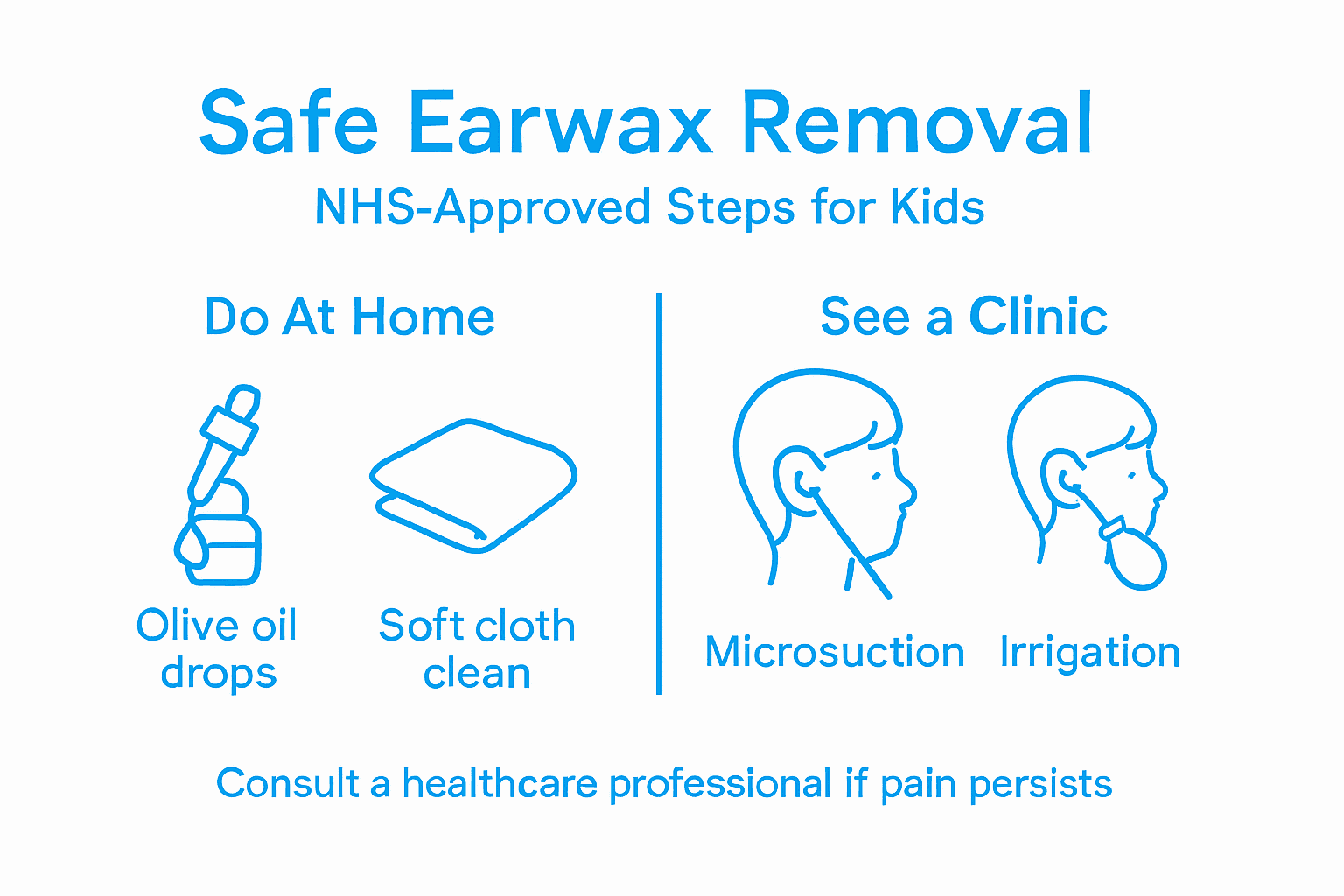
Parents and caregivers should be aware that children’s ears require even more delicate handling. Professional ear care specialists use specialised techniques that are gentle and age-appropriate, focusing on minimising discomfort and preventing potential damage to sensitive ear structures.
Key considerations for safe ear wax removal include:
Always consult healthcare professionals
Never use cotton buds or sharp objects
Follow recommended softening techniques
Monitor for signs of infection or persistent blockage
Seek professional help if symptoms persist
Earwax is a natural protective mechanism and should only be removed when causing significant discomfort or hearing impairment.
Pro tip: Warm olive oil drops slightly before application and maintain a gentle, patient approach to ear wax management.
Recognising Symptoms That Require Specialist Help
Parents play a crucial role in monitoring their children’s ear health and identifying potential issues that require professional intervention. Early recognition of ear health symptoms can prevent long-term complications and ensure timely medical treatment.
Warning signs that necessitate immediate professional medical attention include several key indicators across different age groups. Young children, who cannot always communicate their discomfort, often exhibit subtle but important symptoms:
Persistent ear pain lasting more than 24-48 hours
High fever above 39°C (102.2°F)
Unusual irritability or sleep disturbances
Fluid or discharge from the ear
Reduced hearing or lack of response to sounds
Balance problems or unexplained dizziness
Urgent medical assessment becomes critical in specific scenarios that suggest potential serious ear health issues. Parents should be particularly vigilant if their child experiences:
Fever continuing beyond three days
Severe ear pain that does not improve
Visible swelling around the ear
Significant changes in hearing
Neurological symptoms like confusion
Timely professional intervention can prevent potential hearing damage and address underlying ear health complications.
Professional ear care specialists recommend comprehensive evaluations when multiple symptoms persist or worsen. Children under three months with any ear-related symptoms require immediate medical attention to rule out serious infections or structural issues.
Pro tip: Keep a symptom diary to track the frequency, duration, and intensity of ear-related issues, which can provide valuable information for healthcare professionals.
Clinic-Based Versus At-Home Ear Care
Parents face critical decisions when managing their children’s ear health, balancing between home care strategies and professional medical interventions. Professional ear care offers comprehensive diagnostic capabilities that significantly exceed home management techniques.
Clinic-based ear care provides specialised, targeted treatment approaches that address complex ear health challenges. Professional healthcare providers can perform precise diagnostic procedures, including:
Comprehensive otoscopic examinations
Hearing assessment tests
Accurate infection identification
Targeted treatment planning
Professional wax removal techniques
Prescription of specific medications
Pediatric ear disorder management requires nuanced understanding of children’s unique ear structures and potential complications. At-home care strategies should focus on:
Symptom monitoring
Pain management
Maintaining hydration
Preventing further complications
Recognising when professional intervention is necessary
Professional ear care specialists can prevent potential long-term hearing complications through early, precise interventions.
While at-home care plays a crucial supportive role, it cannot replace professional medical assessment. Parents should understand the limitations of home treatments and recognise when clinical expertise becomes essential for their child’s ear health.
Here is a summary of how clinic-based and at-home ear care approaches differ for children:
Aspect | Clinic-Based Ear Care | At-Home Care |
Diagnostic Accuracy | Comprehensive otoscopic exams | Relies on symptom observation |
Treatment Capability | Professional medical interventions | Pain relief and monitoring |
Risk Management | Strict safety protocols | Limited to prevention |
Outcome Potential | Prevents long-term complications | Supportive, not curative |
Pro tip: Always consult healthcare professionals if at-home care does not resolve ear-related symptoms within 48-72 hours.
Regulated Clinic Benefits and Patient Safety
Patient safety represents the cornerstone of professional paediatric ear care, with regulated clinics providing critical protective mechanisms that significantly reduce potential medical risks. Comprehensive patient safety principles ensure structured, evidence-based approaches to children’s ear health management.
Regulatory standards establish multiple layers of protection for young patients, focusing on comprehensive risk mitigation strategies. Key benefits of regulated clinical environments include:
Standardised clinical protocols
Continuous staff training
Rigorous infection control measures
Advanced diagnostic equipment
Specialised paediatric care techniques
Systematic documentation and monitoring
Ear procedure safety mechanisms are meticulously designed to address children’s unique medical vulnerabilities. Professional clinics implement comprehensive safeguards such as:
Preoperative health screenings
Child-specific anaesthesia protocols
Sterile surgical environments
Precise surgical instrumentation
Structured post-procedure follow-up
Regulated clinics transform ear care from a potentially risky intervention to a carefully managed, safe medical process.
These regulated environments go beyond mere procedural safety, offering holistic support through caregiver education, detailed consultation, and personalised treatment planning. The emphasis remains on minimising invasive interventions while maximising patient comfort and long-term health outcomes.
Below is a reference table highlighting core patient safety measures in regulated paediatric clinics:
Safety Measure | Impact on Child Health | Clinic Implementation Example |
Infection Control | Prevents cross-contamination | Sterile equipment and rooms |
Staff Training | Ensures specialist paediatric care | Continuous staff education |
Child-Focused Protocols | Reduces procedural discomfort | Age-appropriate treatments |
Monitoring & Follow-Up | Tracks recovery and early issues | Structured check-ups |
Pro tip: Always verify a clinic’s regulatory credentials and ask about their specific paediatric safety protocols before any ear-related medical procedure.
Ensure Safe and Expert Ear Care for Your Child with EARS Clinics
Children’s delicate ears require specialised attention and safe techniques as highlighted in the article “Ear Care for Children – Why Safe Techniques Matter.” When earwax build-up, infections, or ear discomfort arise, trusting professional care can prevent long-term hearing complications and ensure your child’s comfort and safety. Key challenges like avoiding unsafe home remedies, recognising persistent symptoms, and accessing age-appropriate treatments demand expert handling by trained specialists.
EARS Clinics specialise in NHS-accredited ear wax removal using gentle and advanced methods such as microsuction and irrigation, specifically tailored for children from 2 years of age. Our regulated clinics in Glasgow and Edinburgh operate under stringent safety protocols prioritising paediatric patient comfort and health. We provide flexible care options including same-day appointments, in-clinic visits, and home visits for convenience and peace of mind. Learn more about our dedicated ear health solutions at EARS Clinics and how we support families requiring professional ear care.
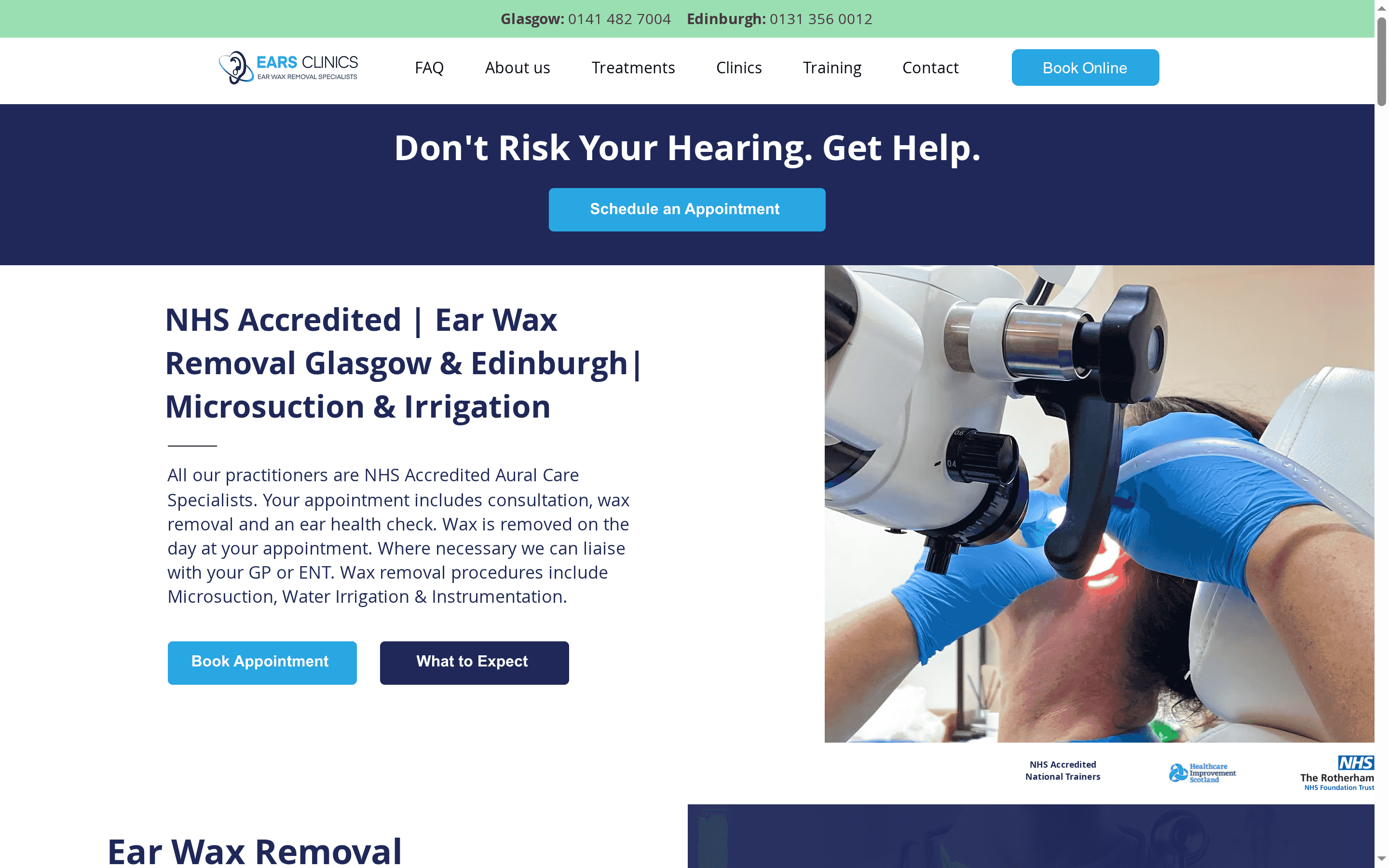
Protect your child’s hearing today by choosing trusted specialists who understand the importance of safe, effective ear care. Book an appointment easily online for prompt evaluation and treatment by NHS-trained Aural Care Specialists. Don"t wait until symptoms worsen; visit EARS Clinics and invest in the lasting health of your child`s ears now.
Frequently Asked Questions
What are the key components of ear care for children?
Key components of effective ear care for children include regular outer ear cleaning, monitoring earwax production, recognising signs of ear infections, preventing foreign object insertion, and managing moisture exposure after swimming.
How can I safely remove earwax from my child’s ears?
Safe earwax removal involves using natural softening techniques, such as olive oil drops, before any physical intervention. Consulting a healthcare professional is essential if home treatments are ineffective.
What symptoms indicate that my child may need specialist ear care?
Symptoms requiring professional attention include persistent ear pain lasting more than 24-48 hours, high fever, fluid drainage from the ear, reduced hearing, and unexplained dizziness.
Why is it important to choose a regulated clinic for paediatric ear care?
Regulated clinics ensure patient safety through standardised protocols, continuous staff training, rigorous infection control, and specialised paediatric care techniques, minimising risks associated with ear health interventions.
Recommended