
One sided blocked ear: 14 day hearing window, red flags and UK care
- 5 days ago
- 9 min read
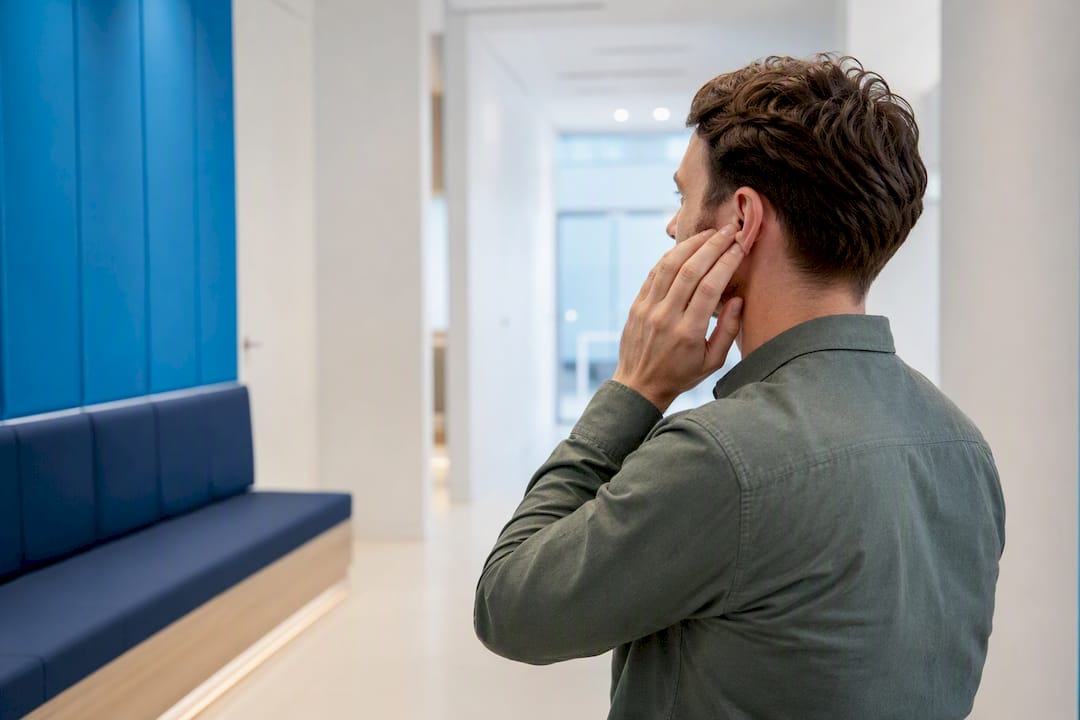
A blocked ear on one side is usually earwax, a pressure imbalance in the eustachian tube, or the early stage of an ear infection. Try swallowing, yawning or gentle jaw movement first, and avoid cotton buds or ear candles. If the muffling arrives suddenly, comes with severe pain, discharge or vertigo, treat it as urgent and get checked the same day.
TL;DR:
Most cases of a blocked ear are caused by earwax impaction, pressure imbalance, or mild infection, which often respond to simple home maneuvers.
Sudden worsening, severe pain, discharge, or neurological symptoms require immediate medical evaluation within the same day.
Self-care methods like swallowing, yawning, or gentle Valsalva can help if blockage is pressure-related, but wax removal should be performed by professionals to prevent damage.
Persistent or recurrent blockages over one to two weeks suggest the need for clinical assessment, possibly including audiometry or imaging.
Avoid using cotton buds or ear candles, and seek professional removal if earwax buildup is suspected to prevent complications like infections or permanent hearing loss.
Common causes of a blocked ear on one side
One ear feeling stuffed while the other works normally is a useful clue in itself. Something local to that ear canal, eardrum or eustachian tube is usually behind it, rather than a general cold or fatigue.
Earwax impaction tends to build gradually. You notice the muffling creeping in over days or weeks, often worse straight after a shower or a swim, or when you’ve been wearing earbuds heavily. It’s one of the most common reasons people search for answers about a clogged ear one side, and usually the most straightforward to resolve.
Eustachian tube dysfunction has a different signature. It tracks closely with colds, hay fever, or a recent flight or dive. The tube that equalises pressure between your middle ear and throat either won’t open properly (obstructive) or stays open too much, causing an odd fullness that shifts with breathing (patulous). Either way, the ear sounds muffled and your own voice can seem to echo.
Middle-ear infection or fluid (otitis media, or glue ear in children) usually brings pain and sometimes fever, and occasionally discharge if the eardrum has perforated. The My Condition guidance on eustachian tube dysfunction notes that persistent dysfunction after a cold or with ongoing allergies may need nasal steroids or a referral rather than time alone.
Outer-ear problems matter too:
Swimmer’s ear (otitis externa), where trapped water encourages infection in the canal
A foreign body, more common in children but not exclusive to them
Simple trapped water after swimming or showering
A smaller group of causes deserves more caution because delay affects the outcome. Sudden sensorineural hearing loss, a perforated eardrum, and rarely a vestibular schwannoma (a slow-growing, benign tumour on the hearing nerve) can all present as one-sided blockage or muffled hearing one ear. None of these are common, but they’re the reason a one-sided change shouldn’t be shrugged off indefinitely.
Safe steps to try at home for a blocked ear
Most pressure-related and mild blockages respond to simple measures before you need anything clinical. This is the sensible order to work through them.
Swallow, yawn or chew gum. These movements naturally cycle the eustachian tube open, which is often enough for post-flight or post-cold blockage.
Try a gentle Valsalva manoeuvre. Pinch your nose, close your mouth, and blow softly until you feel a small pop. Stop immediately if you have a cold with thick mucus or any ear pain. Never blow hard.
Consider a short-term decongestant or nasal steroid spray if allergy or congestion is the obvious trigger. The Mayo Clinic’s guidance on plugged ears points to these as reasonable short-term options, though decongestants shouldn’t be used for more than a few days.
Use an earwax softener such as olive oil or a proprietary ear drop, but only if you have no ear pain, no discharge, and no known history of a perforated eardrum.
What to avoid is just as important. Cotton buds push wax further in rather than out, and ear candling has no proven benefit and carries a genuine burn risk. Forceful home syringing can perforate an eardrum. The NHS is direct on this point: leave wax removal to a trained clinician using microsuction, irrigation or manual instrumentation rather than improvising at home. If pressure-related blockage keeps recurring after flights, our guide to blocked ears after flying covers the mechanism in more depth, and if wax is the clear culprit, see our notes on safe steps for a wax-blocked ear canal.
Pro Tip: If swallowing and yawning give a brief pop of relief that fades within seconds, that’s a strong sign of eustachian tube dysfunction rather than earwax. Wax blockage rarely responds to pressure tricks at all.
When to seek medical help for a blocked ear
Self-care is reasonable for the first day or two of a mild, pressure-type blockage. Certain signs change that calculation immediately.
Seek same-day assessment if you notice:
Sudden hearing loss developing over hours to three days
Severe or worsening vertigo
Intense ear pain, rather than mild fullness
Bloody or pus-like discharge
New facial weakness or drooping
Any neurological symptoms, or blockage following a head injury or loud noise exposure
Book a routine review if the blockage simply won’t shift after one to two weeks, or if it keeps coming back. One-sided symptoms warrant more caution than symptoms affecting both ears, because a one-sided pattern narrows the list toward causes that need direct attention rather than time. For suspected sudden sensorineural hearing loss specifically, clinicians work to a roughly 14-day window for starting treatment, since outcomes are generally better the sooner it’s assessed.
What clinicians do: diagnosis, tests and treatment options
A GP or ear specialist starts with focused questions: when the blockage began, whether hearing changed suddenly or gradually, and whether there’s pain, dizziness or discharge. The Harvard Health overview of a plugged-up ear feeling notes that this history, combined with a look inside the ear canal using an otoscope, resolves most cases without further tests.
Where the picture is less clear, clinicians reach for:
Tuning-fork tests (Weber and Rinne), which quickly distinguish a conductive problem, something physically blocking sound, from a sensorineural one, where the inner ear or hearing nerve itself is affected
Audiometry, a formal hearing test, when hearing loss is suspected rather than simple fullness
Imaging or ENT referral, usually an MRI, if sensorineural loss is confirmed or a structural cause like a schwannoma is suspected
A large majority of adults will experience earwax-related symptoms at some point, and most cases resolve fully with the right professional removal method chosen for that ear, according to the National Hearing Institute’s overview of one-sided hearing loss.
For confirmed wax impaction, three professional methods exist: microsuction, irrigation, and manual instrumentation. Current NICE guidance favours microsuction as the preferred method where available, since it’s precise and doesn’t introduce water under pressure into the canal, but irrigation and manual instrumentation remain safe and clinically valid choices depending on the individual’s ear anatomy, medical history and how the wax presents. Our detailed breakdown of how earwax is safely removed covers each method’s suitability in more depth. Most patients notice improved hearing within minutes of successful wax removal; infection-related blockages typically take one to two weeks to settle with appropriate treatment.
Preventing a blocked ear from coming back
A handful of habits do most of the work in keeping ears clear once a blockage has been resolved.
Never insert cotton buds, hairpins or anything else into the ear canal
Dry ears thoroughly with a towel corner after swimming or showering, tilting the head to let water drain
Take earbuds out for a few hours daily if you wear them for long stretches, since prolonged use can push wax back against the eardrum
Use maintenance ear drops only if a clinician has specifically advised it, and follow the stated frequency rather than using them indefinitely
Book a hearing check if blockage has recurred more than once or twice in a year, rather than treating each episode in isolation
EARS Clinics: how we assess and treat one-sided blocked ears
Earhealthservice is Healthcare Improvement Scotland registered, and every procedure is carried out by NHS-accredited Aural Care Specialists. We use microsuction as our preferred method in line with NICE guidance, while irrigation and manual instrumentation remain available and clinically appropriate where a patient’s history or ear presentation calls for them. Booking options include in-clinic appointments, same-day slots, and home visits, with before-and-after imaging and GP correspondence where needed.
Complications of leaving a blocked ear untreated
A blockage left alone doesn’t always simply resolve. Impacted wax that sits against the eardrum for long enough can trap moisture and bacteria, tipping a mild fullness into a genuine outer-ear infection with pain and swelling. Persistent eustachian tube dysfunction can allow fluid to accumulate behind the eardrum, and in children particularly, that fluid (glue ear) can affect speech development if it lingers for months.
Untreated middle-ear infections carry their own risks. Pressure from trapped fluid can, in rarer cases, lead to a perforated eardrum, and repeated infections increase the chance of scarring that affects hearing permanently rather than temporarily. A blockage that’s actually masking sudden sensorineural hearing loss is the most serious scenario: treating it as “just wax” and waiting weeks before seeking assessment can close the window where treatment works best.
There’s also a quieter cost. One-sided muffled hearing makes it harder to locate where sound is coming from, which affects balance on stairs, awareness in traffic, and conversation in noisy rooms. Some people adapt to this without realising quite how much strain it adds until the blockage clears and sound direction snaps back into focus. None of this means every blocked ear is an emergency, but it explains why “it’ll probably sort itself out” isn’t a safe default for something that’s lasted more than a week or two.
Hearing loss versus a physical blockage: why the difference matters
Not every case of muffled hearing in one ear behaves the same way, and the distinction between conductive and sensorineural causes changes both the urgency and the treatment path.

A conductive problem, earwax, fluid, or a physical obstruction, blocks sound before it reaches the inner ear. It tends to come with a genuine sense of fullness or pressure, and often responds to Valsalva-type manoeuvres, even if only briefly. Treatment is usually mechanical: remove the wax, clear the fluid, treat the infection, and hearing typically returns close to normal fairly quickly.
Sensorineural hearing loss is different in almost every respect. It originates in the inner ear or the hearing nerve itself, so there’s often no sense of physical blockage at all, just hearing that’s dimmer or distorted on one side. It doesn’t respond to swallowing or nose-blowing, because there’s nothing to shift. This is the category that includes sudden sensorineural hearing loss, and the National Hearing Institute’s clinical overview is clear that this needs audiometry and, in many cases, imaging to rule out structural causes, with treatment (often steroids) started as early as possible.
The practical takeaway: if a manoeuvre gives even brief relief, that points towards a conductive cause worth trying self-care for first. If nothing changes no matter what you try, and especially if it came on suddenly, that pattern points towards a sensorineural cause that needs a hearing test rather than another day of yawning.
Author perspective: reassurance and practical next steps
Most one-sided blockages are unglamorous and fixable: wax, pressure, or a passing infection. Editorially, the mistake we see most often is people assuming a lack of pain means it’s safe to ignore. Pain is not the reliable warning sign here; sudden change is. If self-care hasn’t shifted things within a week, or something changed overnight, book a proper check rather than waiting it out.
— EARS
How to book with EARS Clinics
Earhealthservice offers a faster route to relief than waiting weeks for an NHS wax removal slot, without needing a GP referral first. Appointments cost £60 for adults and £75 for under-18s, with home visits available at £180 for anyone who can’t easily travel to clinic. Same-day slots are often available in Glasgow and Edinburgh.

At your appointment, a specialist takes a focused history, examines the ear canal, and chooses whichever method suits your ear best: microsuction, irrigation, or manual instrumentation. All practitioners are NHS-accredited, and every clinic operates under Healthcare Improvement Scotland registration. If your symptoms match any of the red flags covered above, sudden hearing loss, severe pain, discharge or vertigo, go through NHS urgent care rather than booking privately; those need same-day medical triage, not a wax appointment. For everything else, from a stubborn wax build-up to a persistent post-flight fullness, you can book an appointment directly and get it checked properly rather than guessing at home.
Sources
This article is general information, not a substitute for advice from a qualified doctor. Consult a qualified healthcare professional about your own circumstances before acting on anything here.
Recommended