
7 Examples of Ear Safety Protocols Every Parent Should Know
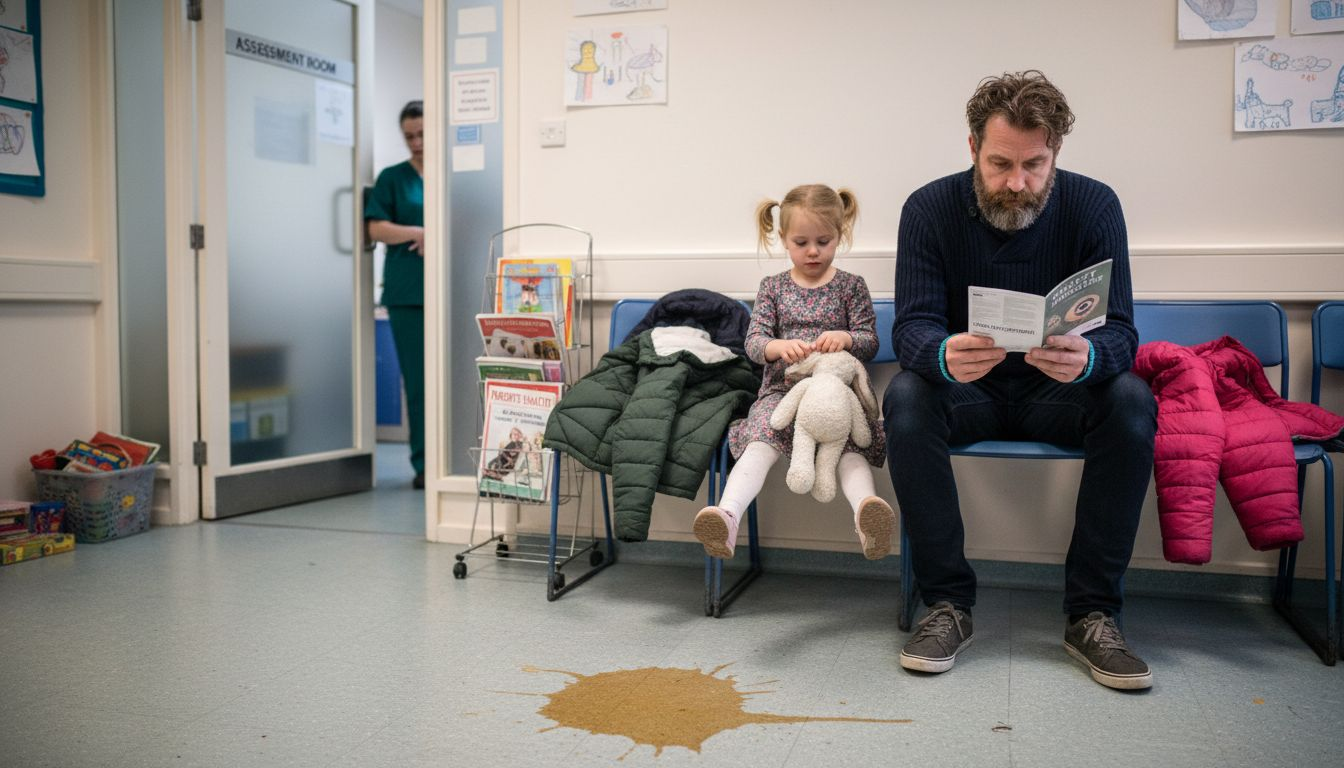
Finding safe ear wax removal for children can bring unexpected worry and uncertainty for parents. The risks go beyond discomfort and can affect hearing or lead to infection if not handled properly. Discovering the right approach means knowing what truly matters—thorough assessments, sterile tools, and age-appropriate care make all the difference.
You will learn practical steps that protect your child’s hearing and well-being at every stage. These guidelines are drawn from trusted sources including the British Society of Audiology and other healthcare authorities to ensure your family gets the best advice possible. Get ready to uncover professional recommendations that bring clarity, confidence, and peace of mind to your child’s ear care journey.
Quick Summary
Takeaway | Explanation |
1. Always have a professional assessment | A thorough ear examination protects patients and identifies the best treatment options before any procedure. |
2. Ensure single-use tools are used | Using sterile, disposable tools during ear procedures significantly reduces the risk of infection or contamination. |
3. Choose trained paediatric specialists | Opt for NHS-accredited clinicians with specific training in children’s ear care for safe and effective treatment. |
4. Follow clear aftercare instructions | Adhering to detailed aftercare guidelines post-ear wax removal is crucial for optimal recovery and preventing complications. |
5. Observe clinic hygiene standards | Maintain high hygiene in clinics to protect patient health and prevent potential infections during ear care procedures. |
1. Professional Assessment Before Any Procedure
Ear health requires meticulous professional evaluation before any intervention. The initial clinical assessment represents a critical safeguard to protect patient safety and determine the most appropriate treatment pathway.
Professional assessment involves comprehensive examination techniques that ensure patient protection. Medical practitioners follow strict protocols outlined by the British Society of Audiology guidelines during ear examinations.
Key assessment components include:
Visual otoscopic inspection of ear canal
Detailed medical history review
Assessment of previous ear care experiences
Evaluation of individual anatomical factors
Consideration of potential risks and contraindications
Professional assessment prevents potential complications and ensures personalised, safe ear care procedures.
During the assessment, clinicians will carefully examine ear canal condition, checking for:
Signs of infection
Ear wax accumulation
Structural abnormalities
Potential contraindications for specific treatments
This thorough approach allows healthcare professionals to select the most appropriate intervention based on individual patient needs.
Professional Recommendation: Always request a comprehensive professional assessment before proceeding with any ear wax removal procedure.
2. Use of Sterile and Single-Use Tools
Ear care demands extraordinary attention to hygiene and infection prevention. Single-use medical tools represent a critical defence against potential cross-contamination and patient health risks.
Healthcare professionals follow strict protocols for equipment management. Infection control guidelines specify precise standards for maintaining patient safety during ear procedures.
Key single-use tools include:
Plastic otoscope specula
Disposable foam ear inserts
Single-use curettes
Sterile protective covers
Disposable gloves
Sterile single-use tools eliminate the risk of bacterial transmission between patients.
Medical practitioners categorise ear cleaning equipment based on potential infection risk:
Critical items requiring complete sterilisation
Semi-critical items needing high-level disinfection
Non-critical items with standard cleaning protocols
The primary goal of single-use tools is preventing potential pathogen transfer and maintaining the highest standards of patient care.
Professional Recommendation: Always confirm that your healthcare provider uses fresh single-use tools during ear examinations and treatments.
3. Safe Microsuction Techniques for Children
Microsuction represents a sophisticated ear wax removal technique that requires exceptional care when treating paediatric patients. Professional expertise is paramount when addressing children’s delicate ear health.
The role of microsuction in ear care involves using specialised microscopic equipment to gently remove ear wax with minimal discomfort. Trained clinicians carefully assess each child’s individual ear anatomy and medical history before proceeding.
Key considerations for safe microsuction in children include:
Ensuring patient comfort and cooperation
Using age-appropriate medical equipment
Maintaining a calm clinical environment
Minimising potential sensory distress
Employing gentle suction techniques
Paediatric microsuction demands meticulous attention to both medical precision and emotional support.
Safe microsuction techniques for children require:
Comprehensive pre-procedure medical assessment
Parental consent and explanation
Child-friendly communication strategies
Gentle positioning techniques
Minimal noise and invasive procedures
The primary goal is patient safety and creating a positive medical experience that reduces future anxiety about ear treatments.
Professional Recommendation: Always choose a certified clinician with specific paediatric ear care training when considering microsuction for children.
4. Strict Hygiene and Clinic Cleanliness Standards
Ear care clinics must maintain exceptional hygiene standards to protect patient health and prevent potential infections. Medical-grade cleanliness represents a fundamental requirement for safe healthcare environments.
Infection prevention practices involve comprehensive protocols that go far beyond basic cleaning procedures.
Key hygiene standards include:
Thorough surface disinfection between patient consultations
Strict hand hygiene protocols
Appropriate personal protective equipment use
Sterilisation of medical instruments
Systematic decontamination procedures
Regular staff training in infection control
Clinical hygiene is not just a procedure. It is a commitment to patient safety.
Critical hygiene protocols for ear care clinics involve:
Documenting cleaning procedures
Using hospital-grade disinfectants
Maintaining detailed equipment maintenance logs
Implementing regular staff health checks
Ensuring transparent infection control processes
The ultimate goal is patient protection through meticulous environmental management and consistent professional standards.
Professional Recommendation: Always observe the clinic environment and do not hesitate to ask about their infection control procedures before any medical intervention.
5. Trained NHS-Accredited Aural Care Specialists
Parents seeking ear care for their children must prioritise professionals with rigorous NHS accreditation and specialised training. Professional credentials matter significantly when protecting your child’s delicate hearing health.
The National Aural Care Strategy Group establishes comprehensive competency standards for healthcare professionals specialising in ear care.
Critical qualifications for aural care specialists include:
Certified theoretical training
Advanced practical skill assessments
Ongoing professional development
Specialised paediatric ear care credentials
Compliance with national healthcare standards
Regular performance evaluations
Accreditation represents more than a certificate. It guarantees professional excellence and patient safety.
Parents should verify specialist credentials by checking:
NHS registration status
Professional body memberships
Specific ear care training certificates
Experience with paediatric patients
Current professional indemnity insurance
The primary goal is ensuring expert patient care through rigorous professional standards and continuous learning.
Professional Recommendation: Always request to review a specialist’s professional credentials and ask about their specific training in ear care before any medical procedure.
6. Age-Appropriate Protocols for Young Patients
Paediatric ear care demands extraordinary sensitivity and specialised approaches tailored to each developmental stage. Patient age fundamentally shapes medical assessment strategies and intervention techniques.
Audiological assessment procedures must be thoughtfully designed to accommodate children’s unique physiological and emotional needs.
Key age-specific considerations include:
Infant behavioural observation techniques
Conditioned play audiometry for toddlers
Physiological hearing test adaptations
Emotional support during examinations
Developmentally sensitive communication
Ear care protocols are not one-size-fits-all but carefully personalised journeys.
Protocols vary significantly across developmental stages:
Newborn (0-12 months): Passive monitoring
Toddlers (1-3 years): Interactive assessment
Preschoolers (3-5 years): Engagement-based techniques
School-age children (5-12 years): Collaborative approaches
Compassionate communication remains paramount throughout every assessment stage.
Professional Recommendation: Always request a child-centred approach that considers your specific child’s developmental stage and individual comfort level.
7. Immediate Aftercare and Clear Patient Instructions
After ear wax removal, patients require comprehensive guidance to ensure optimal recovery and prevent potential complications. Proper aftercare is crucial for maintaining ear health and preventing infections.
Ear wax removal aftercare protocols provide essential instructions for patients to follow post-procedure.
Immediate post-procedure instructions include:
Keeping ears completely dry for 24-48 hours
Avoiding insertion of any objects into ear canal
Monitoring for potential adverse symptoms
Using recommended ear lubrication products
Protecting ears from loud noises
Recovery begins with understanding and following precise medical guidance.
Patients should watch for potential warning signs:
Unexpected ear pain
Unusual discharge
Sudden hearing changes
Persistent dizziness
Signs of infection
The primary goal is promoting safe healing and preventing potential complications.
Professional Recommendation: Always request a detailed written aftercare instruction sheet and ask your healthcare provider to explain each guideline thoroughly.
Below is a comprehensive table summarising the main protocols and recommendations for ear care strategies discussed in the article.
Topic | Description | Key Considerations |
Professional Assessment Before Procedures | Ensures personalised and safe care. | Includes detailed history and contraindications review. |
Usage of Sterile Single-Use Tools | Prevents infection and maintains hygiene. | Categorised based on infection risk levels. |
Microsuction Techniques for Children | Requires professional training for safe implementation. | Includes child-centred approaches and gentle techniques. |
Clinic Hygiene Standards | Essential for infection control. | Encompasses surface disinfection and staff training. |
Trained Aural Care Specialists | Applies NHS-accredited training and standards. | Verify credentials and paediatric specialisation. |
Age-Appropriate Paediatric Protocols | Tailored strategies for different developmental stages. | Ranges from passive monitoring to collaborative approaches. |
Immediate Aftercare Instructions | Ensures recovery and prevents complications. | Includes avoiding moisture and protective measures. |
Ensure Your Child’s Ear Health with Trusted Professional Care
Parents deserve confidence that each ear care procedure follows the highest safety standards described in “7 Examples of Ear Safety Protocols Every Parent Should Know”. From thorough professional assessments to age-appropriate treatment techniques performed by NHS-accredited specialists, these protocols protect your child from risks linked to improper ear wax removal or infection. At EARS Clinics, we understand the importance of meticulous hygiene, sterile single-use tools, and gentle microsuction tailored for children and adults alike.
Discover peace of mind by choosing EARS Clinics, a regulated, Healthcare Improvement Scotland registered provider specialising in safe, professional ear wax removal using advanced microsuction and instrumentation. Benefit from our convenient booking options including same-day appointments and home visits across Glasgow and Edinburgh. Act now to secure expert NHS-accredited care that respects the detailed safety protocols every parent should insist upon. Visit EARS Clinics today and take the first step toward better ear health for your family.
Frequently Asked Questions
What is the importance of a professional assessment before ear procedures for my child?
A professional assessment is crucial for ensuring your child’s safety and determining the best treatment options. Always arrange a comprehensive evaluation with a healthcare provider before any ear wax removal procedure to protect your child’s ear health.
How can I ensure that the tools used during my child’s ear examination are safe and sterile?
You can confirm that your healthcare provider follows strict protocols for using single-use, sterile tools during your child’s ear care. Always ask to see what type of tools will be used and ensure they are fresh and disposable for each visit.
What should I look for in a clinician for my child’s ear care?
When selecting a clinician for your child’s ear care, prioritise professionals with NHS accreditation and specialised training in paediatric ear health. Verify their credentials and ensure they have a proven track record of working safely with young patients.
How can I prepare my child for a microsuction ear wax removal procedure?
Prepare your child by explaining the procedure in simple terms and assuring them that it will be a gentle process. Encouraging a calm environment and offering comforting items can help your child feel more relaxed during the procedure.
What aftercare should I provide my child following ear wax removal?
Immediately after the procedure, ensure your child keeps their ears dry for 24-48 hours and avoid inserting any objects into their ear canal. Monitor for any signs of discomfort or infection, and follow all post-procedure care instructions provided by the clinician closely.
How do age-appropriate protocols affect the way my child receives ear care?
Age-appropriate protocols are designed to meet the unique needs of children at different developmental stages, from infants to school-age children. Ensure the clinician uses techniques tailored specifically to your child’s age to enhance their comfort and cooperation during ear examinations.
Recommended