
Advanced Ear Cleaning Techniques: Safe Options for Children
Updated: Jan 16
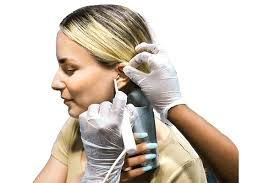
Every parent in Glasgow and Edinburgh knows the challenge when a child’s discomfort is linked to stubborn ear wax. Studies show that over 40 percent of British children experience ear wax problems annually, raising real concerns about ear health and safety. Understanding advanced cleaning techniques goes far beyond home remedies, giving families trusted strategies for gentle, effective care. This guide breaks down what professional ear cleaning involves and helps you protect your child’s hearing with safe, modern options.
Key Takeaways
Point | Details |
Importance of Professional Cleaning | Advanced ear cleaning techniques are essential for maintaining children’s ear health, with a focus on safe, non-invasive methods. |
Recognising Symptoms | Parents should monitor for signs of ear issues, such as hearing difficulties or ear pain, which may necessitate professional intervention. |
Benefits of Specialist Care | NHS-accredited professionals deliver expert assessments and tailored care, minimising risks associated with ear cleaning. |
Understanding Risks and Costs | Awareness of potential risks and financial implications is crucial when considering professional ear cleaning services for children. |
Defining Advanced Ear Cleaning for Children
Advanced ear cleaning for children represents a specialised medical approach that goes beyond simple home hygiene, focusing on safe, professional techniques for managing ear health. Understanding ear wax (cerumen) is fundamental to this process - it is not a contaminant to be eliminated, but a natural protective substance that lubricates and cleanses the ear canal.
Professional ear cleaning techniques differ significantly from traditional home methods. While parents might instinctively reach for cotton buds, safe ear cleaning practices emphasise gentle, non-invasive approaches. These methods include:
Olive oil softening treatments
Professional microsuction procedures
Controlled irrigation techniques
Gentle outer ear cleaning with soft cloths
Healthcare professionals recognise that most children do not require invasive ear cleaning. The ear is a self-regulating organ with natural mechanisms for wax removal. Advanced cleaning methods are reserved for specific clinical scenarios involving excessive wax buildup, hearing difficulties, or potential infections.
Pro tip: Always consult a professional aural care specialist before attempting any ear cleaning procedure with children, as individual ear health varies significantly.
Comparing Microsuction, Irrigation and Instrumentation
Ear wax removal techniques vary significantly in their approach, effectiveness, and safety, with three primary professional methods emerging as standard practice for managing ear health: microsuction, irrigation, and manual instrumentation. Each technique offers unique advantages and requires specific clinical expertise to execute safely and effectively.
Microsuction stands out as the gold standard in ear cleaning procedures. Precise clinical guidelines recommend this method for its exceptional precision and minimal invasiveness. Performed under direct microscopic vision, microsuction can complete wax removal in mere seconds to 20 minutes, depending on the complexity of wax buildup. The procedure involves using a specialised suction device that gently extracts ear wax without direct contact with the ear canal, minimising potential trauma.

In contrast, irrigation involves gently flushing the ear canal with warm water or saline solution to dislodge and remove accumulated wax. This technique is particularly useful for softer wax deposits but requires careful temperature control and pressure management. Manual instrumentation, the third method, utilises specialised tools like wax hooks to manually extract stubborn wax accumulations. This approach demands exceptional skill and precision from the practitioner to avoid potential ear canal injury.
Each technique has specific indications and contraindications. Microsuction remains preferable for patients with narrow ear canals, previous ear surgeries, or those with sensitive ear structures. Irrigation works best for patients with more accessible, softer wax deposits, while manual instrumentation is typically reserved for complex or impacted wax scenarios that cannot be addressed through other methods.
Here is a concise comparison of professional ear cleaning methods for children:
Technique | Precision Level | Typical Appointment Length | Best Suited For |
Microsuction | Highest | 1–20 minutes | Complex or impacted wax |
Irrigation | Moderate | 10–30 minutes | Softer, easily accessible wax |
Manual Instrumentation | Variable | 10–30 minutes | Obstinate wax, anatomical challenges |
Pro tip: Always ensure the ear care professional performing the procedure is fully trained and uses sterile, specialised equipment to minimise risks during ear wax removal.
Key Benefits of Specialist and NHS-Accredited Care
Professional ear cleaning represents a sophisticated medical service that goes far beyond simple wax removal. Professional ear cleaning services offer comprehensive healthcare interventions designed to protect and maintain optimal ear health, particularly for children with complex ear conditions.
NHS-accredited specialists bring a critical combination of expertise, advanced diagnostic capabilities, and stringent safety protocols. These professionals are trained to identify subtle ear health indicators that might escape untrained observation. Their approach involves comprehensive assessment, including examining the ear canal’s structure, assessing wax consistency, and determining the most appropriate removal technique tailored to individual patient needs.
The benefits of specialist care extend beyond immediate wax removal. Professional clinicians can detect early signs of potential ear infections, structural abnormalities, or hearing impairments that parents might not recognise. Their systematic approach includes:
Comprehensive ear canal examination
Precise diagnostic assessment
Minimally invasive removal techniques
Detailed post-procedure guidance
Personalised ear health recommendations
Moreover, NHS-accredited services operate under strict regulatory frameworks, ensuring patient safety through standardised procedures, sterilised equipment, and continuous professional development. This regulatory oversight guarantees that each ear cleaning procedure meets rigorous quality and safety standards, providing parents with confidence in their child’s ear healthcare management.
Below is a summary of key considerations when choosing professional ear cleaning for children:
Consideration | Impact on Care | Parent Involvement | Clinical Benefit |
Regulatory Standards | Ensures safety & quality | Confirm practitioner credentials | Reduces risk of complications |
Specialised Equipment | Minimises trauma | Request details before procedure | Enhances effectiveness |
Professional Assessment | Accurate diagnosis | Share symptom records with clinician | Enables tailored treatment |
Pro tip: Request detailed documentation of the ear cleaning procedure and ask about follow-up care recommendations to ensure comprehensive ear health management.
Identifying When Professional Cleaning Is Needed
Recognising the appropriate moment for professional ear cleaning is crucial for maintaining children’s ear health and preventing potential long-term complications. Safe ear cleaning practices require parents to be vigilant about specific warning signs that indicate professional intervention might be necessary.
Certain symptoms serve as clear indicators that a child requires professional ear cleaning. These critical signs include persistent hearing difficulties, unexplained ear pain, recurring ear infections, or noticeable changes in hearing response. Parents should be particularly attentive if their child experiences:
Frequent complaints about ear discomfort
Reduced hearing acuity
Unexplained balance problems
Persistent ear ringing
Visible wax accumulation blocking the ear canal
Professional ear care specialists can differentiate between normal ear wax production and problematic buildup. Some children are more prone to excessive wax accumulation due to genetic factors, anatomical ear canal variations, or underlying health conditions. Trained clinicians use advanced diagnostic techniques to assess whether immediate intervention is required, ensuring that unnecessary procedures are avoided and genuine health concerns are addressed promptly.
Parents should understand that home remedies or self-cleaning attempts can often exacerbate ear health issues. Cotton buds, bobby pins, or other improvised cleaning tools can cause significant damage, pushing wax deeper into the ear canal or potentially perforating the eardrum. Professional practitioners possess specialised equipment and expertise to safely remove ear wax while minimising patient discomfort and preventing potential complications.
Pro tip: Keep a detailed record of your child’s ear-related symptoms and schedule regular check-ups to catch potential issues early.
Risks, Costs and What To Avoid
Navigating ear healthcare requires understanding potential risks, financial considerations, and critical safety precautions. NHS ear wax services highlight the complex landscape of ear cleaning, where accessibility and affordability intersect with essential medical care.
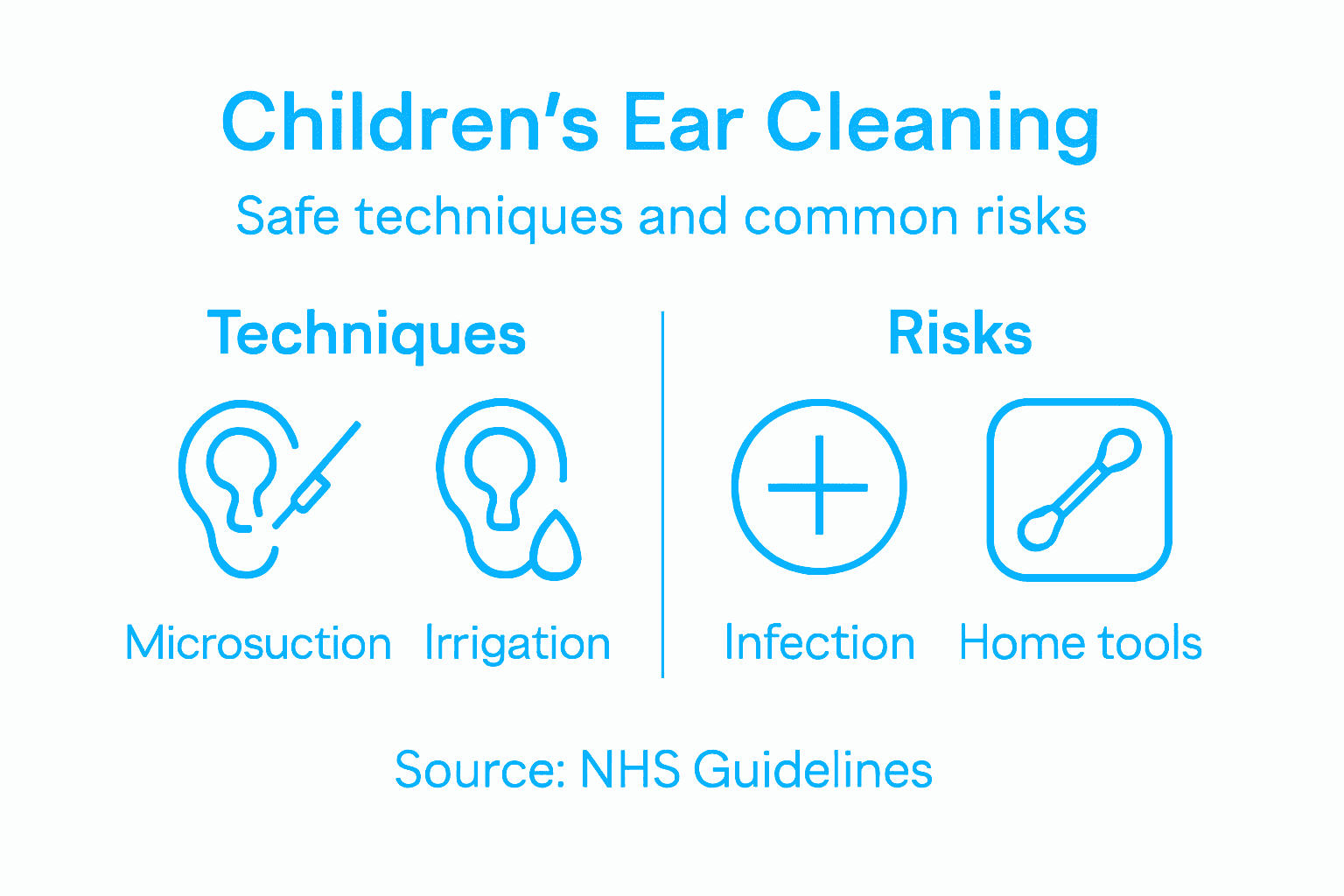
The financial implications of ear cleaning can be significant. Private ear cleaning services typically range from £60 to £100 per session, creating potential barriers for families seeking professional care. Children under 18 at EARS Clinics face slightly higher rates at £75, reflecting the specialised paediatric expertise required. These costs become particularly challenging for families needing repeated treatments, emphasising the importance of understanding both financial and medical considerations.
Several critical risks demand careful attention when considering ear cleaning procedures:
Potential eardrum perforation
Risk of inner ear infections
Temporary hearing disruption
Potential balance disturbances
Rare instances of minor ear canal abrasions
Parents must categorically avoid certain dangerous practices. Cotton buds, bobby pins, and improvised cleaning tools pose severe risks, potentially pushing wax deeper into the ear canal or causing permanent damage. Professional clinicians strongly recommend against home interventions that lack proper training and specialised equipment. Understanding these risks is crucial for protecting children’s delicate ear structures and preventing long-term hearing complications.
Pro tip: Always request a detailed cost breakdown and risk assessment before proceeding with any ear cleaning procedure, ensuring complete transparency and informed decision-making.
Ensure Safe and Effective Ear Cleaning for Your Child with EARS Clinics
Understanding the importance of advanced ear cleaning techniques such as microsuction, irrigation, and manual instrumentation can make all the difference in your child’s ear health. If you are concerned about excessive wax buildup, hearing difficulties, or potential ear infections, trusting experienced professionals is essential. At EARS Clinics, our NHS-accredited Aural Care Specialists provide expert, safe, and tailored treatment specifically designed for children and those with complex conditions.
Choose EARS Clinics to benefit from regulated, specialised ear care in Glasgow and Edinburgh with appointments available in-clinic or at home. Our trained practitioners use the most advanced and gentle removal techniques, ensuring minimal discomfort and maximising effectiveness. Do not let waiting times or unsafe home remedies risk your child’s hearing. Take the next step for peace of mind by booking your appointment online at EARS Clinics today and learn more about our advanced ear cleaning services. Explore why parents trust us for prompt, expert care that prioritises your child’s safety and long-term hearing health.
Frequently Asked Questions
What is advanced ear cleaning for children?
Advanced ear cleaning for children involves specialised medical techniques aimed at safely managing ear health, going beyond simple home hygiene practices. It includes methods like microsuction, irrigation, and gentle softening treatments.
When should a child see a professional for ear cleaning?
Parents should consider professional ear cleaning if their child experiences persistent hearing difficulties, unexplained ear pain, recurring ear infections, or noticeable changes in hearing response, such as frequent discomfort or reduced hearing acuity.
What are the benefits of professional ear cleaning compared to at-home methods?
Professional ear cleaning ensures safe and effective wax removal through trained specialists using sterile, specialised equipment. This approach can detect early signs of ear infections and structural abnormalities, providing comprehensive care and tailored recommendations.
What risks are associated with improper ear cleaning techniques?
Improper ear cleaning techniques can lead to severe complications, including potential eardrum perforation, inner ear infections, temporary hearing disruption, and balance disturbances. Using cotton buds or other improvised tools is particularly dangerous and can push wax deeper into the ear canal.
Recommended