
Why Ear Wax Builds Up – Impact on Children’s Health
Updated: Jan 16

Every british parent knows the worry when a child struggles to hear clearly or complains about sore ears. In cities like Glasgow and Edinburgh, long NHS waiting times often leave families searching for safe, rapid solutions. With over half of british children experiencing ear wax buildup before their teens, understanding your options for urgent, professional removal can make all the difference in protecting your child’s comfort and health.
Key Takeaways
Point | Details |
Ear Wax is Protective | Ear wax serves as a natural defence against contaminants, crucial for children’s ear health. |
Monitor Symptoms | Occasional buildup is normal, but symptoms like reduced hearing or pain should prompt professional assessment. |
Avoid DIY Removal | Home removal attempts can lead to serious complications, making professional care essential. |
Choose Safe Removal Methods | Healthcare professionals have safe techniques for ear wax removal, ensuring children’s ear health without the risk of injury. |
Ear Wax Buildup In Children Explained
Ear wax, medically known as cerumen, plays a crucial protective role in children’s ear health. Produced naturally by glands within the ear canal, this waxy substance serves as a remarkable defence mechanism against external contaminants. Protecting the delicate ear environment, ear wax traps dust, bacteria, and prevents potential irritation.
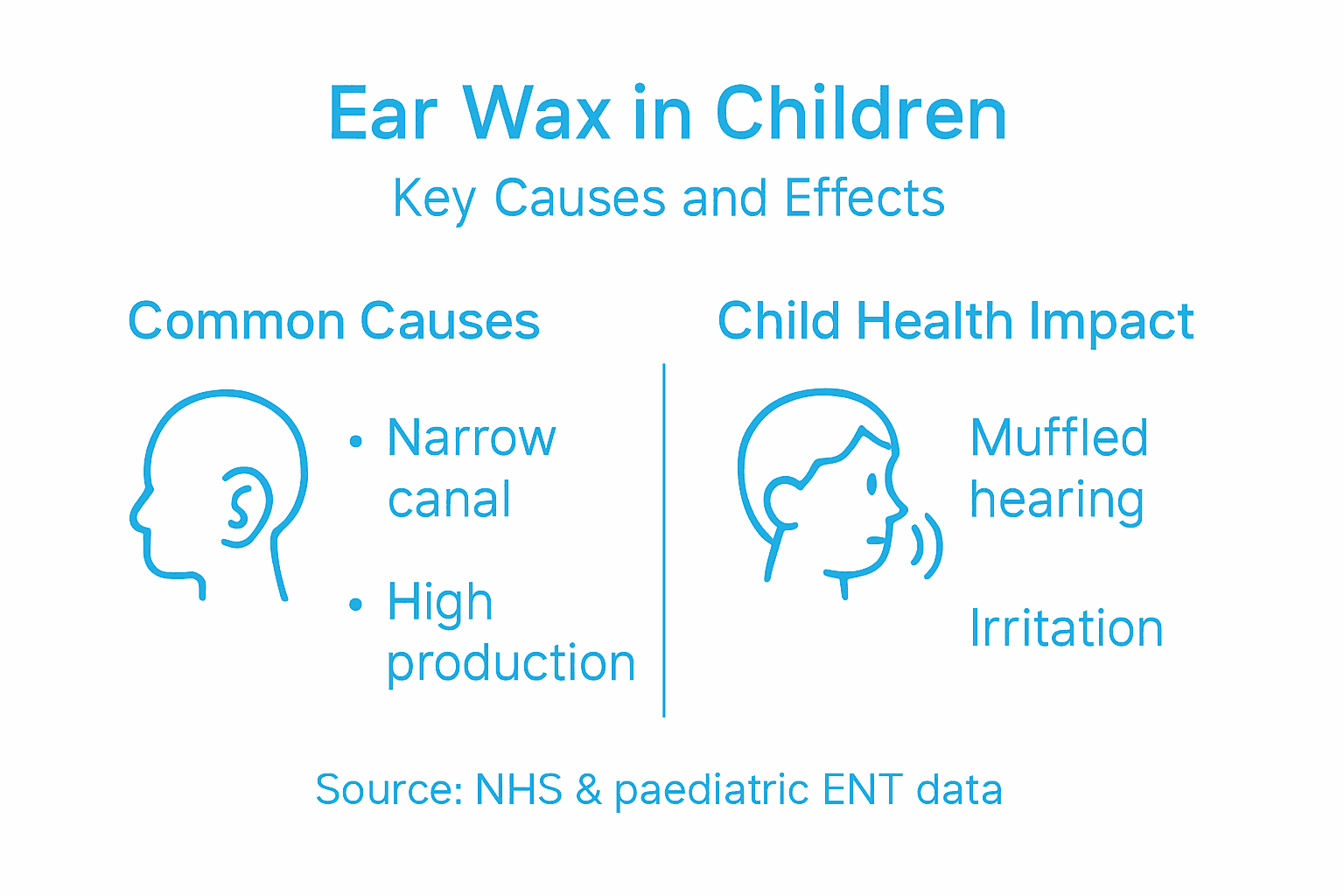
In some children, these glands can produce excessive amounts of wax, creating potential complications. When wax accumulation becomes significant, it may harden and block the ear canal, potentially leading to hearing difficulties and discomfort. The body’s natural mechanism for removing excess wax can sometimes become overwhelmed, especially in children with narrow or uniquely shaped ear canals.
Healthcare professionals emphasise that ear wax buildup is a common occurrence in paediatric populations. Unlike adult ear canals, children’s ear structures are still developing, which can make natural wax removal more challenging. Healthcare guidance recommends against inserting objects like cotton swabs into the ear canal, as this can inadvertently push wax deeper and cause potential damage.
Parents should understand that occasional ear wax buildup is normal and not necessarily a cause for immediate concern. However, monitoring symptoms such as reduced hearing, ear pain, or persistent discomfort is crucial. Professional assessment by trained ear health specialists can determine whether intervention is necessary.
Pro tip: Gently cleaning the outer ear with a soft, damp cloth during regular bathing can help manage ear wax without risking inner ear damage.
Common Causes Of Ear Wax Accumulation
Ear wax accumulation in children stems from multiple complex physiological and environmental factors. Excessive wax production mechanisms can emerge from various underlying conditions, creating potential challenges for paediatric ear health.
Several key factors contribute to ear wax buildup. Anatomical variations play a significant role, with some children having narrower or more uniquely shaped ear canals that impede natural wax removal. External devices like hearing aids or frequent earplug use can inadvertently trap wax, preventing its natural migration out of the ear canal. Certain skin conditions such as eczema or psoriasis can also influence wax production and accumulation.
Genetic predispositions and individual physiological differences significantly impact ear wax characteristics. Specific ear wax formation processes vary among children, with some experiencing drier, more compact wax that becomes challenging to remove naturally. Improper cleaning techniques, particularly using cotton swabs, can compound these issues by pushing wax deeper into the ear canal and disrupting the ear’s self-cleaning mechanisms.
The table below highlights common causes of ear wax buildup and their implications:
Cause | How It Contributes | Impact On Child’s Ear Health |
Narrow ear canal | Restricts wax exit | Increased risk of blockage |
Use of hearing aids/earplugs | Traps wax inside | Hinders natural removal |
Genetic predisposition | Changes wax type | May cause drier, harder wax |
Skin conditions (eczema) | Affects gland secretions | Alters wax composition |
Parents should recognise that occasional ear wax buildup is normal and not necessarily indicative of a serious medical condition. However, persistent accumulation or symptoms like hearing difficulty, ear pain, or discomfort warrant professional medical assessment. Understanding these underlying causes can help families take proactive steps in managing children’s ear health.
Pro tip: Consult a healthcare professional before attempting any home ear cleaning methods to prevent potential damage to your child’s delicate ear structures.
Recognising Symptoms And Impacts On Hearing
Ear wax buildup can significantly compromise a child’s hearing ability, presenting a range of subtle and noticeable symptoms that parents should carefully monitor. Hearing loss symptoms can manifest in various ways, often developing gradually and potentially impacting a child’s communication and learning capabilities.

Typical symptoms of ear wax impaction include a persistent sensation of fullness or blockage in the ear, partial hearing loss, and occasional discomfort. Children might demonstrate signs like frequently asking for repetition, turning up television volumes, or appearing less responsive in conversation. Tinnitus, characterised by ringing or buzzing sounds in the ear, can also occur, causing additional distress and potential concentration difficulties.
The impact on hearing extends beyond simple auditory challenges. Prolonged ear wax buildup can create developmental concerns, particularly in school-aged children where communication and learning are critically important. Temporary hearing impairment can potentially affect academic performance, social interactions, and overall cognitive development if left unaddressed.
Parents should remain vigilant and proactive, watching for signs such as ear pain, reduced hearing responsiveness, balance issues, or increased irritability. Professional medical assessment becomes crucial when these symptoms persist, ensuring early intervention and preventing potential long-term complications.
Pro tip: Schedule regular ear health check-ups to catch and address potential wax accumulation before it significantly impacts your child’s hearing and development.
Safe And Professional Ear Wax Removal Options
Professional ear wax removal requires a nuanced approach tailored specifically to children’s delicate ear structures. Safe removal techniques prioritise minimally invasive methods that protect the child’s hearing and prevent potential complications.
Healthcare professionals typically employ three primary methods of ear wax removal: microsuction, irrigation, and manual instrumentation. Microsuction involves using a specialised microscope and gentle suction device to carefully extract accumulated wax without introducing moisture. Irrigation utilises warm water at precise body temperature to softly flush out wax, while manual instrumentation involves specialised tools that allow clinicians to carefully remove wax under direct visual guidance.
Below is a summary of the main methods for professional ear wax removal in children:
Removal Technique | Approach | Pros | Potential Limitations |
Microsuction | Gentle suction device | Precise and dry, minimal risk | May not suit anxious children |
Irrigation | Warm water flush | Non-invasive, comfortable | Not recommended for perforated eardrum |
Manual Instrumentation | Specialist tools | Direct control, visual guidance | Time-consuming, requires trained clinician |
Before any professional intervention, practitioners often recommend preliminary treatment with softening agents. Professional ear wax management typically involves applying olive oil or specialist ear drops the night before and morning of the procedure to help loosen and facilitate easier wax removal. These preparatory steps ensure a smoother, more comfortable experience for children and increase the likelihood of successful wax extraction.
Parents should understand that ear wax removal is a delicate procedure best performed by trained, regulated healthcare professionals. Attempting home removal can risk permanent damage to the ear canal or eardrum. Professional clinicians will assess each child’s unique ear anatomy, medical history, and specific wax characteristics to determine the most appropriate and safest removal method.
Pro tip: Always apply recommended olive oil drops as instructed and book with a regulated ear care specialist to ensure your child’s ear health and safety.
Risks Of DIY Removal And Delayed Care
Attempting home ear wax removal can lead to significant and potentially irreversible complications for children. Dangerous home removal techniques include using cotton swabs, hairpins, or other improvised tools that can cause serious ear canal damage.
The primary risks associated with DIY ear wax removal include pushing wax deeper into the ear canal, creating impaction, puncturing the eardrum, and causing painful infections. Children’s ear structures are particularly delicate, making them more susceptible to injury from untrained intervention. Potential medical complications can range from temporary hearing loss to permanent ear damage, which can have long-lasting developmental consequences.
Delayed professional care compounds these risks exponentially. Persistent ear wax buildup can lead to chronic hearing difficulties, reduced academic performance, and potential speech development challenges. Parents might mistakenly believe that ear wax will naturally resolve itself, but complex ear wax issues often require professional assessment and targeted removal techniques.
Parents must recognise that professional ear care specialists are trained to safely assess and treat ear wax accumulation. They use specialised equipment and techniques that minimise risk and effectively address the underlying issue without causing additional harm. Attempting home remedies or ignoring persistent symptoms can lead to more extensive and expensive medical interventions in the future.
Pro tip: If you notice persistent ear wax symptoms, schedule a professional consultation immediately rather than attempting home removal.
Professional Care for Your Child’s Ear Wax Buildup
Struggling with your child’s ear wax buildup and worried about the risks of home removal or delayed care The article highlights common challenges including hearing difficulties, discomfort, and the delicate nature of children’s ear canals. At EARS Clinics, we understand these concerns and specialise in safe, NHS-accredited ear wax removal tailored specifically for children and adults alike.

Take advantage of advanced techniques like microsuction, irrigation, and manual instrumentation performed by trained Aural Care Specialists in Glasgow and Edinburgh. Avoid the dangers of DIY attempts and the frustration of long NHS waits Spend £75 for expert care designed to protect your child’s hearing and wellbeing. Learn more or book now at EARS Clinics to receive compassionate professional ear health services that meet your family’s needs. Discover how we prioritise safety, comfort, and swift relief by visiting Ear Wax Removal Services and understand the importance of early intervention with Children’s Ear Care.
Ensure your child’s hearing stays clear and their development on track Book your appointment today and experience the trusted, regulated care your family deserves.
Frequently Asked Questions
What causes ear wax buildup in children?
Ear wax buildup in children can occur due to various factors, including narrow ear canals, the use of hearing aids or earplugs, genetic predispositions, and certain skin conditions that affect wax production.
What are the symptoms of ear wax accumulation in children?
Symptoms of ear wax accumulation may include a sensation of fullness in the ear, partial hearing loss, ear pain, and increased irritability. Children might frequently ask for repetition or turn up the volume on devices.
How can ear wax accumulation affect a child’s hearing and development?
Prolonged ear wax buildup can lead to temporary hearing impairment, which may impact a child’s communication skills, learning, and overall cognitive development, particularly in school-aged children.
What are the safe methods for professional ear wax removal in children?
Safe methods for professional ear wax removal include microsuction, irrigation with warm water, and manual instrumentation. These techniques are performed by trained professionals to minimise risk and ensure effective removal.
Recommended