
Safe Ear Cleaning: Protecting Your Child’s Hearing
Every british parent knows how stressful ear wax issues can be, especially when your child starts showing signs of hearing discomfort. Nearly 80 percent of children experience noticeable earwax buildup before age six, making safe solutions a top worry for families in Glasgow and Edinburgh. Understanding what genuinely safe cleaning means, and why expert care matters, empowers you to make the best choices for your child’s ear health outside of traditional NHS services.
Key Takeaways
Point | Details |
Safe Ear Cleaning | The ears are self-cleaning; routine internal cleaning is unnecessary and can be harmful. Clean the outer ear gently with a soft washcloth instead. |
Importance of Earwax | Earwax protects the ear by trapping debris and preventing infections; it is essential for ear health, especially in children. |
Avoid Home Cleaning Tools | Common home cleaning methods, like cotton swabs and ear candling, can cause serious injuries or complications. Professional evaluation is recommended for excessive earwax. |
When to Seek Help | Monitor for signs like persistent ear pain or changes in hearing, which indicate the need for professional intervention to prevent complications. |
What Safe Ear Cleaning Really Means
Safe ear cleaning involves understanding that the human ear is a remarkably self-regulating organ with natural protective mechanisms. Contrary to popular belief, routine internal ear cleaning is unnecessary and potentially harmful. The ear is designed with an intricate self-cleaning process where cerumen (earwax) naturally migrates outward, removing debris and protecting the sensitive inner ear structures.
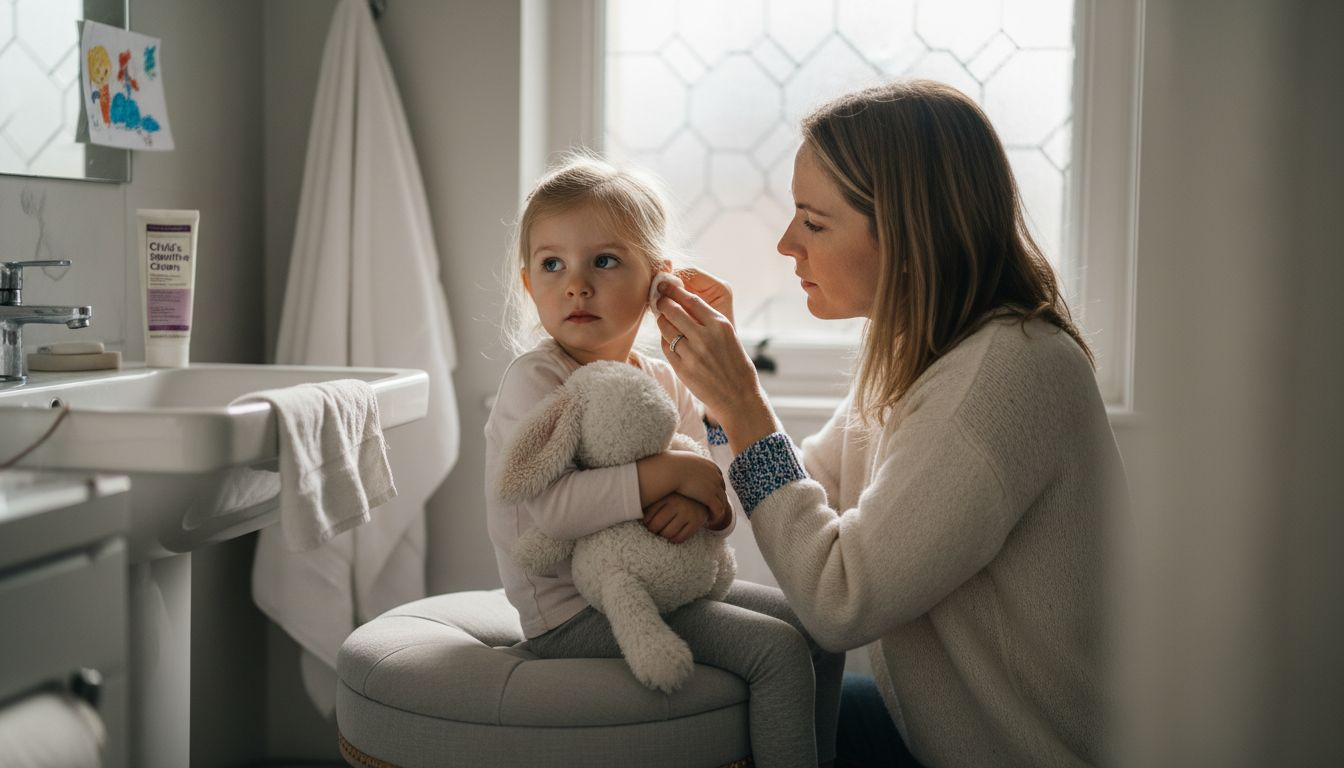
Professional ear care specialists emphasise that safe cleaning primarily involves maintaining external ear hygiene without invasive techniques. Healthcare professionals strongly recommend against inserting any objects into the ear canal, including cotton swabs, which can cause significant damage. The safest approach involves gently cleaning the outer ear with a soft, damp washcloth during regular bathing, allowing the body’s natural mechanisms to manage internal ear health.
Parents must recognise that earwax serves critical protective functions. It acts as a natural barrier against dust, bacteria, and moisture, helping prevent infections and maintaining ear canal health. Professional ear care involves monitoring ear health, not aggressive cleaning. For children experiencing persistent wax buildup or potential hearing issues, consulting a trained aural care specialist who can perform safe, regulated procedures like microsuction is recommended.
Pro Ear Care Tip: Gently wipe the outer ear with a soft washcloth during bath time, avoiding any insertion of objects into the ear canal, and consult a professional if you notice persistent wax accumulation or hearing changes.
Why Earwax Matters In Children’s Ears
Earwax serves a critical protective function in children’s ears, functioning as a sophisticated natural defence mechanism that many parents misunderstand. This sticky, waxy substance might seem unpleasant, but it plays an essential role in maintaining ear health by trapping dust, bacteria, and other microscopic particles that could potentially harm the delicate ear canal. Cerumen acts like a biological shield, preventing these harmful elements from penetrating deeper into the ear structure.
The ear’s self-cleaning process is remarkable, with earwax naturally migrating outward and carrying trapped debris along its path. Children’s ears are particularly vulnerable to environmental contaminants, making this protective mechanism even more crucial. The waxy substance contains natural antibacterial and antifungal properties that help prevent infections, creating an inhospitable environment for potential pathogens that might cause ear-related health complications.

Understanding earwax composition helps parents recognise its importance. It’s not just a waste product but a complex mixture of secretions from specialised glands in the ear canal, containing skin cells, hair, and protective enzymes. These components work together to lubricate the ear canal, prevent dryness, and maintain a stable, healthy environment. For children experiencing excessive earwax or potential blockages, professional assessment by an aural care specialist becomes essential to ensure proper ear health management.
Pro Ear Health Tip: Monitor your child’s ear health by observing earwax colour and consistency, and consult a professional if you notice unusual changes or persistent buildup that might indicate an underlying condition.
Risks Of Improper Home Cleaning Methods
Home ear cleaning methods can pose significant risks to children’s hearing and ear health, with many well-intentioned parents inadvertently causing potential damage. Common household tools like cotton swabs might seem convenient, but they represent a serious threat to the delicate ear canal structure. The narrow, sensitive environment can be easily punctured or injured by aggressive cleaning attempts, potentially leading to permanent hearing complications.
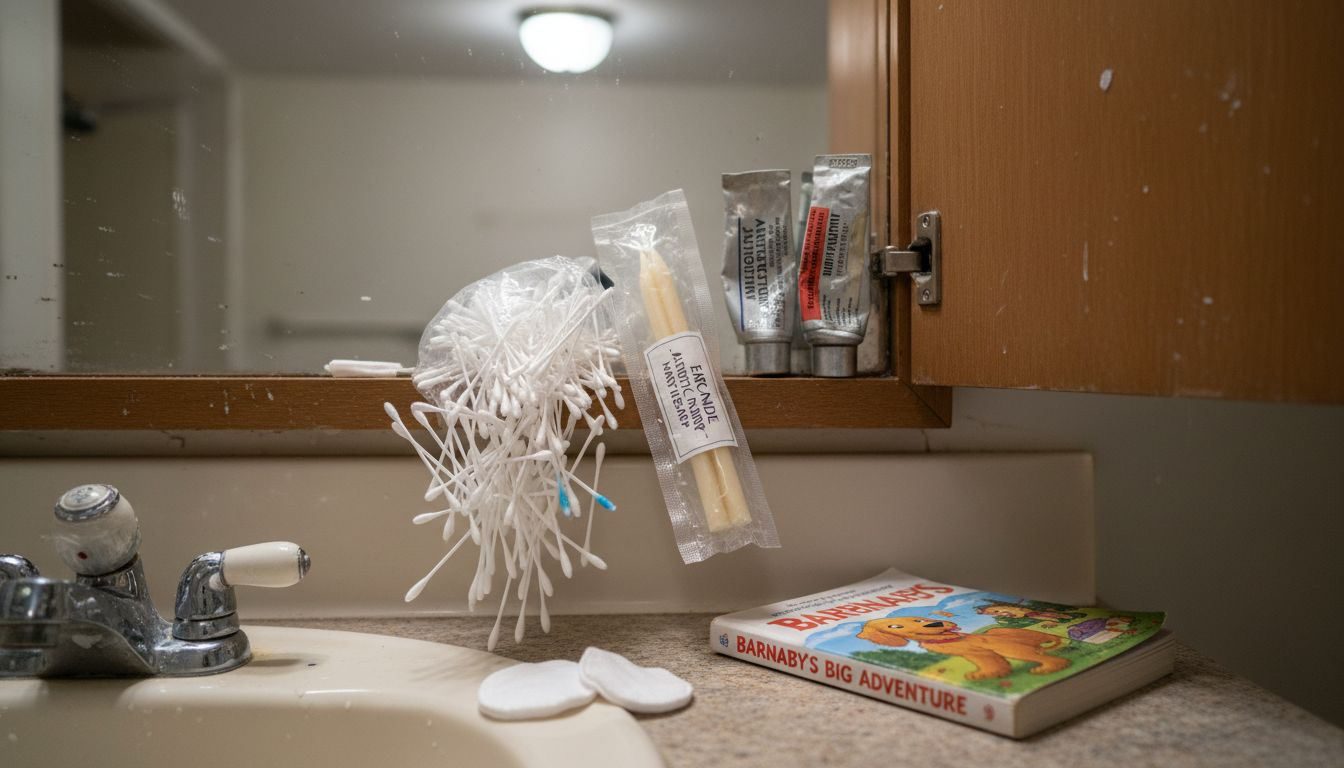
Parents must understand the specific dangers associated with improper ear cleaning techniques. Inserting any foreign objects into a child’s ear canal can cause traumatic injuries, including eardrum perforation, severe infections, and potential long-term hearing loss. Cotton swabs, despite their widespread use, can push earwax deeper into the canal, creating impacted wax blockages that are challenging to remove and may require professional medical intervention. Tympanic membrane damage is a particularly serious risk, with even minor punctures potentially causing significant hearing impairment.
Alternative home remedies like ear candling are equally dangerous and completely ineffective. These unregulated techniques not only fail to remove earwax but can cause burns, introduce foreign particles into the ear canal, and create additional complications. Medical professionals consistently warn that most ear cleaning attempts should be avoided entirely, with professional assessment recommended for persistent earwax buildup or potential hearing concerns. Children’s ear canals are more delicate and susceptible to injury, making professional evaluation even more critical.
Here is a summary of key risks of common home ear cleaning methods for children:
Method | Main Risk | Likelihood of Complication |
Cotton swabs | Earwax impaction, injury | High |
Ear candling | Burns, foreign body introduction | High |
Hair pins or clips | Puncture, trauma | High |
Tissues or fingers | Infection, canal irritation | Moderate |
Water syringes (home) | Drum perforation, infection | Moderate-High |
Pro Safety Tip: Keep all foreign objects away from your child’s ears, and consult a professional aural care specialist if you observe persistent earwax accumulation or notice any changes in your child’s hearing responses.
Professional Techniques Used By Specialists
Professional ear care specialists employ sophisticated techniques to safely manage children’s ear health, recognising that each child’s ear requires individualised assessment and treatment. Microsuction stands as the primary method for professional ear wax removal, utilising a precise, low-pressure suction device that allows clinicians to visually inspect the ear canal while simultaneously removing accumulated wax with minimal invasiveness. This technique provides unprecedented precision, enabling practitioners to navigate the delicate ear canal structure without risking damage to sensitive tissues.
Three primary professional techniques dominate clinical practice for ear wax management: microsuction, irrigation, and manual instrumentation. Microsuction involves using specialised microscopes and gentle suction equipment to extract wax under direct visual guidance. Irrigation employs carefully regulated warm water pressure to flush out wax accumulations, while manual instrumentation uses specifically designed tools to carefully extract wax under professional supervision. Each method requires extensive training and understanding of paediatric ear anatomy, ensuring that the approach is tailored to the individual child’s ear structure and specific clinical presentation.
Professional ear care specialists conduct comprehensive assessments before recommending any intervention. This process includes detailed otoscopic examinations to evaluate wax consistency, quantity, and potential underlying conditions. Factors such as the child’s age, medical history, previous ear infections, and current symptoms guide the selection of the most appropriate removal technique. Regulated clinics like EARS follow strict Healthcare Improvement Scotland guidelines, ensuring that every procedure prioritises patient safety and minimises potential complications.
This table compares professional ear cleaning methods used for children:
Method | Main Instrument | When Recommended |
Microsuction | Suction device, scope | Impacted wax, sensitive ears |
Irrigation | Warm water irrigator | Soft wax, no drum injury history |
Manual removal | Specialised tool set | Hard wax, complex canal anatomy |
Pro Clinical Insight: Always seek a comprehensive ear examination from a regulated healthcare professional who can assess your child’s specific ear health needs and recommend the most appropriate, safe removal technique.
When To Seek Specialist Intervention
Parents must carefully monitor their child’s ear health for specific warning signs indicating professional intervention is necessary, understanding that early detection prevents potential long-term complications. Persistent ear pain represents the most critical signal that requires immediate specialist assessment, as it could indicate underlying infections, significant wax accumulation, or structural issues that might compromise hearing development. Any discomfort lasting more than 24-48 hours warrants professional examination, particularly if accompanied by fever or changes in the child’s typical behaviour.
Specialist intervention becomes crucial when children demonstrate measurable changes in hearing responses or communication abilities, which can manifest through subtle signs such as increased volume on electronic devices, frequent requests for repetition, or apparent inattentiveness during conversations. Additional red flags include visible ear discharge, recurring ear infections, balance disturbances, or any unexplained fluid drainage. These symptoms suggest potential complications that extend beyond simple earwax buildup and demand comprehensive professional evaluation by trained aural care specialists.
Some specific scenarios definitively require specialist intervention. Children with pre-existing medical conditions like Down Syndrome, cleft palate, or chronic respiratory issues are at higher risk of ear-related complications and should receive more frequent professional assessments. Recurrent ear infections, particularly those occurring more than three times within six months, indicate a need for specialist investigation. Other critical indicators include noticeable asymmetry in hearing between ears, delayed speech development, or any traumatic ear injury that might compromise the delicate internal structures.
Pro Medical Monitoring Tip: Create a dedicated health journal to track your child’s ear-related symptoms, documenting dates, specific observations, and any changes in hearing or comfort levels to provide comprehensive information during specialist consultations.
Protect Your Child’s Hearing with Professional Ear Care
Parents seeking safe, effective solutions to manage their child’s earwax buildup can find expert help at EARS Clinics. The article emphasises the risks of improper home cleaning and the importance of specialist intervention when signs like persistent ear pain or hearing changes appear. At EARS Clinics, NHS-accredited Aural Care Specialists use advanced and gentle techniques such as microsuction and irrigation to remove wax safely while protecting sensitive ear structures.

Do not risk harm from cotton swabs or unsafe methods. Benefit from regulated, compassionate care tailored specifically for children from 2 years old, with easy booking options for same-day appointments and home visits in Glasgow and Edinburgh. Choose peace of mind knowing your child’s ear health is managed by professionals who follow the strictest Healthcare Improvement Scotland guidelines. Take the crucial step today by visiting EARS Clinics and secure your child’s hearing health with expert support.
Frequently Asked Questions
What is the safest way to clean my child’s ears?
The safest way to clean your child’s ears is to gently wipe the outer ear with a soft, damp washcloth during regular bath time, while avoiding any insertion of objects into the ear canal.
Why is earwax important for my child’s ear health?
Earwax serves as a natural protective barrier, trapping dust, bacteria, and moisture, and contains antibacterial and antifungal properties that help prevent infections and maintain ear canal health.
What are the risks of using cotton swabs to clean my child’s ears?
Using cotton swabs can push earwax deeper into the canal, leading to impaction, injury to the ear canal, or even eardrum perforation, which can result in hearing loss.
When should I consult a professional for my child’s ear health?
Consult a professional if your child experiences persistent ear pain, changes in hearing, visible ear discharge, or if you notice any unusual behaviour that may indicate ear problems.
Recommended